








The LITIM Podcast
The Odyssey - Part 3: The Monsters of the Sea
英検レベル別の解説
ポッドキャストで話している解説を、英検3級・2級・1級の3つのレベルの英語で書き直しました。 内容は同じなので、レベルを切り替えて読み比べられます。 色のついた単語をタップすると、やさしい英語で意味が出ます。
※ ポッドキャストの音声とは別の文章です。音声と同じ英文は ポッドキャストの原稿で読めます。
解説 1
The Odyssey, Part 3: Story Summary
This is Part Three of The Odyssey, The Monsters of the Sea. The Odyssey is a very old story from Greece. On LITIM, we tell it in easy English, in five parts.
In Part Two, Odysseus lost eleven of his twelve ships. Then he stayed with Circe for one year. She is a goddess and a witch. At last, he asked to leave. Circe said, "You must go to the land of the dead."
Part Three is the darkest part of the story. Odysseus goes to the end of the world. The sun never shines there. He meets the ghost of a prophet. The prophet cannot see, but he knows the future. He tells Odysseus about the dangers on the way home. Odysseus also meets another ghost. He is very surprised to see this ghost.
Then the monsters of the sea come. The Sirens sing a very beautiful song. Sailors hear it and forget everything. Charybdis drinks the sea three times a day. And Scylla waits on a high rock. She has six long necks and six heads.
After the monsters, there is a green island. The cows of the Sun God eat grass there. The prophet says one thing about them: "Do not hurt those animals."
At the start of Part Three, Odysseus has one ship and his men. At the end, he is alone on the island of a goddess. How does he lose everything? Let's read Part Three and find out.
解説 2
The Land of the Dead
Odysseus sails to the end of the world. The sun never shines there. He does what Circe told him. He digs a hole in the ground. Then he gives sheep to the dead.
Thousands of ghosts come up from the dark. There are old men, young girls, and soldiers in their armor. Odysseus is afraid. But he holds his sword and waits.
At last Tiresias comes. He is the prophet, and he cannot see. His words are hard. Poseidon is still angry. On the way home, there is an island. The cows of the Sun God eat grass there. Nobody must hurt them. If the men hurt them, Odysseus will lose his ship and all his men. He will get home very late. He will be alone, on another man's ship. And he will find trouble in his house.
Remember the giant in Part One? He could not see, and he prayed for almost the same thing.
Then Odysseus sees his mother. She was alive when he left for Troy. "I waited and waited for you to come home," she says. "In the end, my sadness killed me."
He tries to hold her. He tries three times. But three times she goes through his arms like smoke. He fought a giant and a witch. But here, there is nothing to fight.
解説 3
The Song and the Six Heads
Odysseus goes back to Circe's island. Circe tells him about two dangers. He meets them in two very different ways.
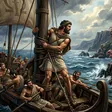
The first danger is the Sirens. They sing very beautifully. Sailors hear the song, forget everything, and go to them. The bones of many men are around their island. Odysseus puts wax in his men's ears. But he wants to hear the song. So the men tie him to the mast of the ship.
What do the Sirens sing about? Not gold, and not love. "We know everything that happened at Troy," they sing. "We know everything in the world." Odysseus is the smartest man in Greece. For him, this is the sweetest song. He shouts to his men, "Untie me!" But they cannot hear him. They tie him more tightly.
The second danger is a narrow sea between two high rocks. Circe's advice is terrible. "Go near Scylla, and she will take six men. Go near Charybdis, and everyone will die."
Odysseus chooses Scylla. He does not tell his men about her. Six heads come down from the rock. Six men call his name for the last time. The story says this was the saddest thing in all his travels.
解説 4
The Cattle of the Sun
After Scylla, the ship comes to a beautiful green island. Odysseus hears the cows of the Sun God. He remembers the prophet's words. "Let's not stop here," he says. But his men are too tired. "We will stay only one night," says Eurylochus.
Odysseus makes them promise not to touch the cows. Then a strong wind starts. It does not stop for a whole month. Soon they have no food.
One day, Odysseus goes away alone to pray, and he falls asleep. In Part Two, the men opened the bag of winds when he was sleeping. Now the same thing happens again. "It is terrible to die of hunger," says Eurylochus. "We will say sorry to the gods later." Odysseus wakes up. He smells meat. The men are cooking it.
Zeus sends a storm. His lightning breaks the ship into pieces. All the men die. Odysseus left Troy with twelve ships. Now he has only one piece of wood.
The waves carry him to the island of Calypso. She is a beautiful goddess. She loves him. She says, "If you stay, I will make you a god. You will never grow old and never die." But Odysseus only wants to go home. For seven years, he sits on the beach every day and cries for Ithaca.
解説 1
The Odyssey, Part 3: Story Summary
This is Part Three of The Odyssey, The Monsters of the Sea. On LITIM, we retell this ancient Greek story in simpler English, divided into five parts.
In Part Two, Odysseus lost eleven of his twelve ships. After that, he spent an entire year with Circe, who is both a goddess and a witch. When he finally asked her to let him go, she told him that he would first have to visit the land of the dead.
Part Three is the darkest section of the story. At the edge of the world, where the sun never shines, Odysseus meets the ghost of a blind prophet, who warns him about what is waiting for him on the journey home. He also meets a ghost he never expected to see.
After that come the monsters of the sea. The Sirens sing a song so beautiful that sailors forget everything else. Charybdis swallows the sea three times a day. And Scylla waits on a cliff with six long necks and six heads.
Beyond the monsters lies a green island where the cattle of the Sun God graze. The prophet gives Odysseus just one warning about it: do not harm those animals.
At the beginning of Part Three, Odysseus still has one ship and its crew. By the end, he is alone on the island of a goddess. How does he lose everything? That is what Part Three is about.
解説 2
The Land of the Dead
Odysseus sails to the edge of the world, where the sun never shines. There, he follows Circe's instructions. He digs a hole in the ground and offers sheep to the dead.
Thousands of ghosts rise up out of the darkness: old men, young girls, and soldiers who are still wearing their armor. Odysseus is frightened, but he grips his sword and waits.
Finally, Tiresias, the blind prophet, appears, and his message is a hard one. Poseidon is still angry. Along the way, there is an island where the cattle of the Sun God graze, and no one must harm them. If anyone does, Odysseus will lose his ship and all of his men. He will arrive home very late, alone, on a ship that belongs to someone else, and he will find trouble waiting in his house.
In Part One, the blind giant prayed for almost exactly the same thing.
Then Odysseus sees his mother. She was still alive when he left for Troy. "I waited and waited for you to come home," she tells him. "In the end, my sadness killed me."
He reaches out to hold her. Three times he tries, and three times she slips through his arms like smoke. He has fought a giant and a witch, but here there is nothing he can fight.
解説 3
The Song and the Six Heads
When they return to her island, Circe warns Odysseus about two dangers. He deals with them in two very different ways.
The first danger is the Sirens. Their singing is so beautiful that sailors forget everything and steer toward them, and the bones of many men lie scattered around their island. Odysseus puts wax in his men's ears. However, he wants to hear the song himself, so he has them tie him to the mast.
What do the Sirens sing about? Not gold, and not love. "We know everything that happened at Troy," they sing. "We know everything in the world." For the cleverest man in Greece, nothing could be more tempting. He shouts at his men to untie him, but they cannot hear him, and they tie him even more tightly.
The second danger is a narrow passage between two cliffs, and Circe's advice is terrible. If they sail close to Scylla, she will take six men. If they go near Charybdis, everyone will die.
Odysseus chooses Scylla, and he does not tell his men about her. Six heads come down from the cliff, and six men cry out his name for the last time. According to the story, it was the saddest thing he saw in all his travels.
解説 4
The Cattle of the Sun
After passing Scylla, the ship reaches a beautiful green island. Odysseus hears the cattle of the Sun God and remembers the prophet's warning. "Let's not stop here," he says. But his men are exhausted. "We will stay for just one night," Eurylochus insists.
The men promise not to touch the cattle. Then a strong wind begins to blow, and it does not stop for an entire month. Before long, all their food has run out.
One day, Odysseus goes off by himself to pray, and he falls asleep. In Part Two, the men opened the bag of winds while he was sleeping, and now the same thing happens again. "It is terrible to die of hunger," Eurylochus says. "We will say sorry to the gods later." When Odysseus wakes up, he smells meat cooking.
Zeus sends a storm, and his lightning smashes the ship to pieces. Every one of the men dies. Odysseus left Troy with twelve ships, and now all he has is a single piece of wood.
The waves carry him to the island of Calypso, a beautiful goddess. She loves him, and she offers to make him a god who will never grow old or die. But all he wants is to go home. For seven years, he sits on the beach every day and weeps for Ithaca.
解説 1
The Odyssey, Part 3: Story Summary
This is the third installment of The Odyssey: The Monsters of the Sea. LITIM retells this ancient Greek epic in accessible English across five parts.
Part Two saw Odysseus lose eleven of his twelve ships before lingering an entire year with Circe, at once a goddess and a sorceress. When at last he sought leave to depart, she informed him that he must first journey to the land of the dead.
Part Three is the bleakest chapter of the tale. At the edge of the world, in a realm the sun never reaches, Odysseus encounters the shade of a blind prophet, who foretells the trials awaiting him on the voyage home. He also comes face to face with a ghost he never expected to see.
Then come the monsters of the deep. The Sirens sing a song of such beauty that sailors forget all else. Charybdis gulps down the sea three times daily. And Scylla lurks upon a cliff, with six long necks and six heads.
Beyond the monsters lies a verdant island where the cattle of the Sun God graze. The prophet issues a single warning about it: those animals must not be harmed.
Part Three opens with Odysseus in command of one ship and its crew; it closes with him stranded, alone, on the island of a goddess. How does he come to lose everything? That is the tale Part Three tells.
解説 2
The Land of the Dead
Odysseus sails to the edge of the world, a place untouched by sunlight. There he carries out Circe's instructions to the letter, digging a pit in the earth and offering sheep to the dead.
Ghosts surge up from the darkness in their thousands: old men, young maidens, and soldiers still clad in their armor. Odysseus is gripped by fear, yet he keeps a firm hold on his sword and waits.
At length Tiresias, the blind seer, appears, and his pronouncement is grim. Poseidon's wrath has not abated. Along the route lies an island where the cattle of the Sun God graze, and they must on no account be harmed. Should anyone harm them, Odysseus will forfeit his ship and every one of his men. He will reach home belatedly, alone, aboard a stranger's vessel, and find his household in turmoil.
In Part One, the blind giant had prayed for almost precisely this fate.
Then Odysseus catches sight of his mother, who was still living when he set sail for Troy. "I waited and waited for you to come home," she tells him. "In the end, grief was the death of me."
He reaches out to embrace her. Three times he tries, and three times she slips through his arms like smoke. He has contended with a giant and a witch, but here there is nothing to fight.
解説 3
The Song and the Six Heads
Once they are back on her island, Circe forewarns Odysseus of two perils, and he confronts each in a strikingly different manner.
The first is the Sirens, whose song is so bewitching that sailors forget everything and steer toward them; the bones of countless men lie strewn about their island. Odysseus stops his men's ears with wax, but, determined to hear the song for himself, has them bind him to the mast.
What is it the Sirens sing of? Neither gold nor love. "We know everything that happened at Troy," they sing. "We know everything in the world." For the most cunning man in all of Greece, no lure could be sweeter. He bellows at his men to release him, but they cannot hear him, and they lash him tighter still.
The second peril is a narrow strait between two cliffs, and Circe's counsel is dreadful: sail close to Scylla, and she will seize six men; venture near Charybdis, and all will perish.
Odysseus chooses Scylla, and withholds any mention of her from his men. Six heads descend from the cliff, and six men cry out his name one final time. The story holds that it was the most heartbreaking sight he witnessed in all his wanderings.
解説 4
The Cattle of the Sun
Past Scylla, the ship arrives at a lovely green island. Hearing the cattle of the Sun God, Odysseus recalls the prophet's warning. "Let us not stop here," he urges. But his men are spent. "We will stay a single night, no more," Eurylochus insists.
They swear not to lay a hand on the cattle. Then a fierce wind rises and blows unrelentingly for a full month, and before long their provisions are exhausted.
One day Odysseus withdraws alone to pray and drifts off to sleep. In Part Two, the men opened the bag of winds while he slept; now history repeats itself. Starvation, Eurylochus declares, is the most miserable of deaths; they can beg the gods for forgiveness afterward. When Odysseus awakens, the smell of roasting meat reaches him.
Zeus unleashes a storm, and his lightning shatters the ship. Every man perishes. Odysseus set out from Troy with twelve ships; now he clings to a lone piece of timber.
The waves bear him to the island of Calypso, a beautiful goddess. She loves him and offers to make him a god, ageless and immortal. Yet his sole desire is to return home. For seven years he sits on the shore each day, weeping for Ithaca.
