



The LITIM Podcast
The Odyssey - Part 2: The Witch's Island
英検レベル別の解説
ポッドキャストで話している解説を、英検3級・2級・1級の3つのレベルの英語で書き直しました。 内容は同じなので、レベルを切り替えて読み比べられます。 色のついた単語をタップすると、やさしい英語で意味が出ます。
※ ポッドキャストの音声とは別の文章です。音声と同じ英文は ポッドキャストの原稿で読めます。
解説 1
The Odyssey, Part 2: Story Summary
This is Part Two of The Odyssey, The Witch's Island. The Odyssey is a very old story from Greece. On LITIM, we tell it in easy English, in five parts.
In Part One, Odysseus ran away from the cave of the giant. But he shouted his real name. Now Poseidon, the god of the sea, is angry with him. Odysseus still has twelve ships. He still wants only one thing. He wants to go home to Ithaca.
In Part Two, he goes to three places. The first place is an island. It moves on the sea. Aeolus lives there. He keeps all the winds. Aeolus gives Odysseus a bag. All the strong winds are in the bag. Ten days later, the men can see fires on the beach of Ithaca. And then they open the bag.
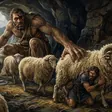
The second place is a quiet harbor. High rocks stand around it. Giants live there. They throw big rocks down at the ships. Eleven ships are lost. Only one ship is left.
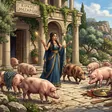
The third place is the island of Circe. She is a goddess and a witch. She changes men into pigs. But later she becomes a friend. Odysseus and his men stay with her for one year.
Why do the men open the bag? And why does Odysseus stay for a year? He wants to go home! Let's read Part Two and find out.
解説 2
The Bag of Winds
The saddest part of Part Two comes very early. Odysseus is almost home. But then he is not.
Aeolus puts all the strong winds in a bag. Only one soft wind is outside the bag. It comes from the west, and it takes the ships to Ithaca. For nine days and nine nights, Odysseus does not sleep. He holds the ropes of his ship. He does not want his men to make a mistake.
On the tenth day, they see Ithaca. It is very close. They can see people on the beach. The people are making fires. And then, Odysseus falls asleep.
His men look at the bag. "What is in it?" they ask. They think, "It is gold and silver. Our captain wants to keep it for himself." They say, "We fought in the war too. But we are going home with nothing." So they open the bag.
The winds come out, and a big storm starts. It takes the ships all the way back to Aeolus. This time, Aeolus does not help. "The gods must hate you," he says.
There is no monster in this part. A man is tired, and he falls asleep. His men do not trust him. That is all. And it is enough.
解説 3
One Ship Left
After the bag of winds, there is no wind. The men have to row the ships. Six days later, they find a harbor. There are high rocks on both sides.
It looks safe. Eleven ships go in. But Odysseus does not take his ship in. He ties it to a rock outside. Why? The story does not say. Maybe he remembers the giant's cave, and now he is careful.
He sends three men. "Who lives here? Go and find out," he says. The men meet a girl. She is getting water. She takes them to her father's house. Her father is the king of the Laestrygonians. He is a giant, and he is hungry. He eats one of the men.
Then many, many giants come to the top of the rocks. There are thousands of them. They throw big rocks down at the ships. They catch the men in the water like fish.
Odysseus cuts his rope with his sword. "Row! Row fast!" he shouts. His ship gets away. The other eleven ships do not.
He left Troy with twelve ships. Now he has only one. The story tells this very quickly. Then it says, "Sad and afraid, they sailed on."
解説 4
The Witch and the Year
On the next island, there is a stone house in the woods. Wolves and lions walk around it. But they move their tails like happy dogs. Inside the house, a woman is singing. She is Circe, a goddess and a witch.
She gives the men a drink. It has cheese, honey, and wine in it. It also has magic in it. Then she touches the men with her stick, and they become pigs. This is the terrible part. They are pigs, but they can still think like people.
Odysseus goes to help them. He goes alone. On the way, he meets the god Hermes. Hermes gives him a plant. It has a black root and a white flower. Because of the plant, Circe's magic does not work on him. He takes out his sword. "Promise me," he says. "Do not hurt us." She promises, and she changes the pigs back into men.
Then the story changes. Circe is kind to them now. There is good food. There are warm baths and soft beds. The men stay there for one whole year.
In Part One, a sweet fruit made the men forget their homes. Here, there is no magic. A happy, easy life is enough. In the end, the men speak to Odysseus. "Have you forgotten Ithaca?" they ask.
解説 1
The Odyssey, Part 2: Story Summary
This is Part Two of The Odyssey, The Witch's Island. On LITIM, we retell this ancient Greek story in simpler English, divided into five parts.
At the end of Part One, Odysseus managed to escape from the Cyclops's cave. However, he shouted out his real name, and as a result, Poseidon, the god of the sea, has become his enemy. He still has twelve ships, and his only wish is to return home to Ithaca.
In Part Two, he visits three places. The first is the floating island of Aeolus, the keeper of the winds. Aeolus gives him a leather bag that holds all the strong winds inside. Ten days later, the sailors are close enough to see the fires on the beaches of Ithaca. And that is exactly when they open the bag.
The second place is a quiet harbor surrounded by high cliffs. Giants live there, and they throw enormous rocks down at the ships. Eleven ships are lost, and only one escapes.
The third place is the island of Circe, who is both a goddess and a witch. She has the power to turn men into pigs. Surprisingly, she later becomes their friend, and Odysseus and his men stay with her for an entire year.
Why do the men open the bag? And why does a man who wants so badly to go home stay away for a year? That is what Part Two is about.
解説 2
The Bag of Winds
The saddest moment in Part Two comes very early. Odysseus is almost home, and then, suddenly, he is not.
Aeolus has locked all the strong winds inside a leather bag. Only the gentle west wind is left outside, and it carries the ships toward Ithaca. For nine days and nine nights, Odysseus does not sleep at all. He holds the ropes of his ship himself because he does not want anyone else to make a mistake.
On the tenth day, Ithaca comes into view. They are so close that they can see people building fires on the beach. And there, at last, Odysseus falls asleep.
Meanwhile, his men stare at the bag. They have no idea what is inside. They believe it is full of gold and silver and that their captain wants to keep it all for himself. "We fought in the war too," they complain, "and we are going home with empty hands." So they open it.
The winds rush out, and the storm blows them all the way back to Aeolus. This time, he refuses to help. "The gods must hate you," he says.
Nobody in this scene is a monster. A tired man falls asleep, and his men do not trust him. That is all it takes for everything to go wrong.
解説 3
One Ship Left
After the bag of winds is opened, there is no wind at all, so the men have to row. Six days later, they find a harbor with high cliffs on both sides.
It appears to be safe, and eleven ships sail inside. Odysseus, however, keeps his own ship outside and ties it to a rock. The story does not explain why. Perhaps, after his experience in the Cyclops's cave, he has learned to be careful.
He sends three men to find out who lives there. They meet a girl who is collecting water, and she leads them to her father's house. Her father is the king of the Laestrygonians. He turns out to be a hungry giant, and he eats one of the men.
Then thousands of giants appear at the top of the cliffs. They throw huge rocks down at the ships and catch the men in the water like fish.
Odysseus quickly cuts his rope with his sword. "Row for your lives!" he shouts. His ship escapes, but the other eleven do not.
He left Troy with twelve ships, and now he has just one. The story describes this disaster in only a few lines, and then it simply says, "Sad and afraid, they sailed on."
解説 4
The Witch and the Year
On the next island, a stone house stands in the woods. Wolves and lions wander around it, yet they wag their tails like friendly dogs. Inside, a woman is singing. She is Circe, a goddess and a witch.
She serves the men a drink made of cheese, honey, and wine, with magic secretly mixed in. Then she touches them with her stick, and they turn into pigs. The cruelest part is that, inside, they still have human minds.
Odysseus goes alone to rescue them. On the way, the god Hermes gives him a plant with a black root and a white flower, which protects him from Circe's magic. When her magic fails, he draws his sword and makes her promise not to harm them. She then turns the pigs back into men.
After that, the story takes a different direction. Circe becomes a generous host. There is delicious food, along with warm baths and soft beds, and the men end up staying for a whole year.
In Part One, a sweet fruit made men forget their homes. Here, no magic is necessary. A comfortable life is enough. In the end, it is actually the men who ask Odysseus, "Have you forgotten Ithaca?"
解説 1
The Odyssey, Part 2: Story Summary
This is the second installment of The Odyssey: The Witch's Island. LITIM retells this ancient Greek epic in accessible English across five parts.
Part One closed with Odysseus escaping the Cyclops's cave, but not before he rashly bellowed his true name, thereby earning the enmity of Poseidon, god of the sea. He still commands a fleet of twelve ships, and his resolve remains unchanged: to reach home in Ithaca.
Part Two takes him to three destinations. The first is the floating island of Aeolus, custodian of the winds, who presents him with a leather bag imprisoning every violent gale. Ten days later, the crew can make out the fires burning along Ithaca's shores. It is at precisely that moment that they open the bag.
The second is a seemingly tranquil harbor enclosed by towering cliffs. Its giant inhabitants hurl colossal boulders down upon the fleet, and eleven ships are lost. A single vessel remains.
The third is the island of Circe, at once a goddess and a sorceress, who transforms men into swine. Yet she eventually becomes an ally, and Odysseus and his companions linger in her company for an entire year.
What compels the men to open the bag? And why would a man so desperate to return home tarry for a year? Those are the questions Part Two sets out to answer.
解説 2
The Bag of Winds
The most poignant moment of Part Two arrives almost at once. Odysseus is within reach of home, and then, abruptly, he is not.
Aeolus has confined every fierce wind within a leather bag, leaving only the mild west wind free to bear the fleet toward Ithaca. For nine days and nine nights, Odysseus denies himself sleep, handling the ropes of his own ship, unwilling to entrust the task to anyone who might blunder.
On the tenth day, Ithaca rises into view, so near that the crew can discern figures tending fires on the shore. And there, at long last, exhaustion overtakes him and he falls asleep.
His men eye the bag with growing suspicion. Ignorant of its contents, they convince themselves it conceals gold and silver that their captain intends to hoard. "We fought in the war as well," they grumble, "and yet we return empty-handed." And so they open it.
The released winds sweep them all the way back to Aeolus, who this time refuses them any assistance. "The gods must surely despise you," he declares.
No monster appears in this episode. A weary man succumbs to sleep, and his crew fails to trust him. Nothing more is required for disaster.
解説 3
One Ship Left
In the wake of the bag of winds comes a dead calm, and the crew is forced to row. After six days, they reach a harbor flanked on both sides by sheer cliffs.
It has every appearance of a safe haven, and eleven ships venture inside. Odysseus, however, keeps his own vessel outside, moored to a rock. The story offers no explanation. Perhaps his ordeal in the Cyclops's cave has taught him caution.
He dispatches three men to discover who inhabits the land. They encounter a girl drawing water, who leads them to her father's dwelling. He is the king of the Laestrygonians, a ravenous giant, and he promptly devours one of the scouts.
Thousands of giants then swarm to the clifftops, hurling massive boulders onto the ships below and catching the men in the water as though they were fish.
Odysseus severs his mooring line with his sword. "Row for your lives!" he cries. His ship escapes; the remaining eleven do not.
He departed from Troy at the head of twelve ships. Now only one remains. The story recounts this catastrophe in a handful of lines before observing simply, "Sad and afraid, they sailed on."
解説 4
The Witch and the Year
On the next island, a stone house stands amid the woods. Wolves and lions prowl around it, yet they wag their tails like domesticated dogs. From within comes the sound of a woman singing. She is Circe, both goddess and sorceress.
She offers the men a concoction of cheese, honey, and wine, laced with sorcery. Then, with a touch of her wand, she transforms them into pigs. Herein lies the cruelty: beneath their bestial exterior, their human minds remain intact.
Odysseus sets out alone to rescue them. Along the way, the god Hermes furnishes him with a plant that has a black root and a white blossom, rendering him immune to Circe's enchantment. Unsheathing his sword, he compels her to swear an oath to do no harm. She then restores the pigs to human form.
At this point the narrative takes an unexpected turn. Circe becomes a gracious host, offering lavish meals, warm baths, and soft beds, and the men remain with her for an entire year.
In Part One, a sweet fruit induced the men to forget their homes. Here, no enchantment is necessary; a life of comfort suffices. Ultimately, it is the crew who must prompt Odysseus, "Have you forgotten Ithaca?"
