




The LITIM Podcast
The Odyssey - Part 1: The Giant's Cave
英検レベル別の解説
ポッドキャストで話している解説を、英検3級・2級・1級の3つのレベルの英語で書き直しました。 内容は同じなので、レベルを切り替えて読み比べられます。 色のついた単語をタップすると、やさしい英語で意味が出ます。
※ ポッドキャストの音声とは別の文章です。音声と同じ英文は ポッドキャストの原稿で読めます。
解説 1
The Odyssey, Part 1: Story Summary
The Odyssey is a very old story. It comes from Greece. People told it about 2,700 years ago. A man called Homer made it. The story is very long, so on LITIM we tell it in easy English, in five parts. This is Part One, The Giant's Cave.
Odysseus is a king. He lives on a small island. Its name is Ithaca. For ten years, he is in a big war at a city called Troy. In the end, the Greeks win. They win because of his idea: a big wooden horse with soldiers in it.
Now Odysseus wants to go home. His wife and his son are waiting for him. He goes on the sea with twelve ships. He thinks, "I can get home in a few weeks." But it takes ten more years.
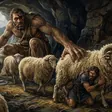
First, a storm comes. The ships go to a strange land. There, a sweet fruit makes people forget their homes. Next, the men find a big cave. There is a lot of cheese in it, and there are many young sheep. But the cave is the home of a giant. He has only one eye, and he eats people.
How can Odysseus run away from the giant? And how can one small word, "Nobody," help him? Let's read Part One and find out.
解説 2
The Fruit That Makes You Forget
The first danger on the way home is not a monster. It is a fruit.
After nine days of bad weather, the ships come to a new land. The people there are kind. They do not fight. They give the men a sweet fruit.
But the men eat the fruit, and they forget everything. They forget their homes. They forget their families. They only want to stay there and eat more.
This danger is quiet. Nobody is hurt, and nobody is afraid. The men are happy. But if you forget your home, you can never go back. For Odysseus, going home is the most important thing.
So he does a hard thing. The men are crying, but he takes them back to the ships. He ties them to the ships. "Go!" he shouts. "Go fast! Don't eat the fruit!"
This part of the story is short, but it is important. The Odyssey is a story about a man. He never forgets his home.
解説 3
My Name Is Nobody
In the giant's cave, Odysseus makes one mistake. Then he has one great idea.
First, the mistake. His men want to take some cheese and go. But Odysseus wants to meet the giant. In those days, people often gave presents to their visitors. But this giant is different. His name is Polyphemus. He puts a very big rock in front of the door. Then he eats two of the men for dinner.
That night, Odysseus takes out his sword. But then he stops. The rock is too big for the men. If the giant dies, nobody can move it. So Odysseus cannot fight. He must think.
Here is his idea. He gives the giant a lot of strong wine. He says, "My name is Nobody." The giant falls asleep. Then the men push a hot stick into his one eye. The giant cries out, and other giants come. "Is someone hurting you?" they ask. "Nobody is hurting me!" he says. So the other giants go home.
In the morning, the men hold on under the sheep and go out of the cave. Odysseus is not strong, but he is clever. He can also wait. That is why he wins.
解説 4
The Name and the Curse
Part One does not end when the men run away. It ends with a big mistake.
The men are on the ship again. They are going away from the island. They are safe. The giant cannot see now, and he does not know the man's real name. He only knows the name "Nobody."
But Odysseus cannot be quiet. He shouts to the giant: "If people ask about your eye, tell them, 'Odysseus did it! He is the king of Ithaca!'"
Why does he say this? Because he is proud. He wants the giant to know his name. For a Greek hero, a great name is very important.
But it is a very bad mistake. Now the giant knows his name. And the giant's father is a strong god. He is the god of the sea. The giant asks his father, "Please don't let Odysseus go home. If he gets home, make it late. Make him lonely. Give him a lot of trouble."
The god of the sea hears his son. Odysseus is on a ship, far from home, and now the sea is his enemy. Odysseus was safe because he did not say his name. Now he is in trouble because he said it.
解説 1
The Odyssey, Part 1: Story Summary
The Odyssey is one of the oldest stories in the world. It was first told in ancient Greece about 2,700 years ago, and it is said that a poet named Homer created it. The original is an extremely long poem, so on LITIM we retell it in simpler English, divided into five parts. This is Part One, The Giant's Cave.
The hero is Odysseus, the king of Ithaca, a small island in Greece. For ten years, the Greeks fight a war against the city of Troy. They finally win thanks to a plan Odysseus thinks of: a huge wooden horse with soldiers secretly hidden inside.
After the war, Odysseus has only one wish. He wants to return home to his wife, Penelope, and his son, Telemachus. He leaves Troy with twelve ships, expecting the journey to take a few weeks. In fact, it will take him another ten years.
Soon a terrible storm drives his ships off course to the land of the Lotus-Eaters. There, a sweet fruit causes the sailors to forget all about their homes. Later, the men discover a cave full of cheese and young lambs. Unfortunately, it belongs to a Cyclops, a giant with a single eye who eats anyone who comes inside.
How can an ordinary man escape from such a monster? And how can a single word, "Nobody," save his life? That is what Part One is about.
解説 2
The Fruit That Makes You Forget
The first danger Odysseus faces on his way home is not a monster. Surprisingly, it is a piece of fruit.
After nine days in a storm, the ships finally reach the land of the Lotus-Eaters. The people who live there are friendly and peaceful. Instead of attacking the visitors, they simply offer them a sweet fruit called the lotus.
However, the sailors who eat it lose their memories. They forget their homes and their families completely. All they want is to stay there and keep eating.
This is a quiet kind of danger. No one is injured, and no one feels afraid. In fact, the men are happy. But a person who forgets his home will never return to it, and for Odysseus, getting home matters more than anything else.
So he makes a difficult decision. He drags the crying men back to the ships and ties them under the benches. "Row!" he shouts. "Row as fast as you can, before anyone else tastes this fruit!"
Although the scene is short, it shows us what the whole story is really about. The Odyssey is the story of a man who never loses sight of where he wants to go.
解説 3
My Name Is Nobody
In the cave of the Cyclops, Odysseus makes one serious mistake, but he also comes up with one brilliant idea.
The mistake comes first. His men want to grab some cheese and leave quickly. Odysseus, however, insists on meeting the owner, because in those days a good host was expected to give gifts to visitors. Unfortunately, this host is very different. The giant, Polyphemus, blocks the entrance with an enormous rock and eats two of the men for dinner.
That night, Odysseus draws his sword, but then he hesitates. If the giant dies, who will be able to move the rock? Killing him would trap them all inside forever. So Odysseus realizes that he has to use his brain instead of his strength.
Here is his plan. He offers the giant some strong wine and tells him, "My name is Nobody." As soon as the giant falls asleep, the men drive a hot, sharpened pole into his single eye. The giant screams, and the other Cyclopes rush to his cave. "Is someone hurting you?" they ask. "Nobody is hurting me!" he replies. So they simply go home.
The next morning, the men escape by clinging to the bellies of the sheep. Odysseus does not succeed because he is powerful. He succeeds because he is clever and knows how to be patient.
解説 4
The Name and the Curse
Part One does not end with the escape. Instead, it ends with a mistake that changes everything.
The men are back on board and rowing away from the island. They are finally safe. The giant is now blind, and he has no idea who attacked him. All he knows is the name "Nobody."
But Odysseus cannot keep quiet. He shouts across the water, "If anyone asks who took your eye, tell them it was Odysseus, king of Ithaca!"
Why would he do such a thing? Because he is proud. He wants the giant to know exactly who defeated him. For a Greek hero, a great achievement deserves to be connected to a great name.
It turns out to be a terrible mistake. Now the giant knows his real name, and the giant has a powerful father: Poseidon, the god of the sea. Polyphemus prays to him, "Never allow Odysseus to reach his home. And if he does get there, let him arrive late, alone, and in trouble."
Poseidon listens to his son. Odysseus is at sea, far from home, and now the sea itself has become his enemy. The cleverest man in Greece survived by hiding his name. Now he is in danger because he could not keep it secret for long.
解説 1
The Odyssey, Part 1: Story Summary
The Odyssey ranks among the oldest surviving narratives in Western literature. Composed in ancient Greece roughly twenty-seven centuries ago, it is traditionally attributed to the poet Homer, although scholars still debate whether a single author was ever responsible for it. Because the original epic is formidably long, LITIM retells it in five installments. This is the first: The Giant's Cave.
Its protagonist is Odysseus, ruler of Ithaca, a modest island kingdom. The Greeks have spent a decade besieging the city of Troy, and their eventual triumph is owed largely to his ingenuity: an enormous wooden horse concealing a company of soldiers within its hollow belly.
With the war concluded, Odysseus is consumed by a single desire, to return to his wife, Penelope, and his son, Telemachus. He sets out with a fleet of twelve ships, anticipating a voyage of a few weeks. Instead, his homecoming will be delayed by a further ten years.
Almost immediately, a violent storm drives the fleet to the land of the Lotus-Eaters, whose honeyed fruit induces a seductive forgetfulness of home. The crew later stumble upon a cavern stocked with cheese and penned lambs, only to discover that it is inhabited by a Cyclops, a one-eyed giant with a monstrous appetite for human flesh.
How might a mortal possibly outwit such a creature? And how could a single, seemingly trivial word, "Nobody," prove to be his salvation? Those are the questions at the heart of Part One.
解説 2
The Fruit That Makes You Forget
The first peril Odysseus encounters on his homeward journey is not a monster at all. Rather, it takes the deceptively harmless form of a fruit.
After nine days at the mercy of a gale, the fleet makes landfall in the country of the Lotus-Eaters. Far from being hostile, the inhabitants are gentle and hospitable, and they merely offer the newcomers the honey-sweet lotus.
Yet any sailor who tastes it is overcome by oblivion. Memories of home and family dissolve, and the men are left with a single, consuming craving: to linger there and eat more.
The menace here is a subtle one. No blood is shed, and no one experiences the slightest fear; on the contrary, the men are perfectly content. But a man who has forgotten his home can never find his way back to it, and for Odysseus, the homecoming is the very purpose of his existence.
He therefore resorts to a harsh measure. Ignoring their tears, he hauls the men back to the vessels and lashes them beneath the rowing benches. "Row!" he commands. "Row with all your strength, before another soul succumbs to this fruit!"
Brief as the episode is, it encapsulates the central theme of the entire epic. The Odyssey is, at its core, the tale of a man who refuses to lose sight of his destination.
解説 3
My Name Is Nobody
Within the Cyclops's cave, Odysseus commits one grave error, yet he also conceives one stroke of genius.
The error comes first. His companions urge him to seize some cheese and slip away, but Odysseus insists on awaiting the cave's owner, since custom of the age obliged a host to bestow gifts upon his guests. This host, however, observes no such custom. Polyphemus seals the entrance with a colossal boulder and devours two of the crew for his supper.
That night, Odysseus unsheathes his sword, only to hesitate at the decisive moment. Should the giant perish, who would ever dislodge the boulder? To slay him would be to entomb themselves alongside him. Odysseus therefore grasps that cunning, not force, must be his weapon.
His stratagem unfolds as follows. He plies the giant with potent wine and announces, "My name is Nobody." Once Polyphemus succumbs to sleep, the men plunge a red-hot, sharpened stake into his solitary eye. The giant's howls summon the neighbouring Cyclopes. "Is someone harming you?" they inquire. "Nobody is harming me!" he bellows, and they duly disperse.
At dawn, the survivors escape by clinging to the undersides of the sheep. Odysseus prevails not through physical might, but through ingenuity and, crucially, the patience to bide his time.
解説 4
The Name and the Curse
Part One does not conclude with the escape itself. It closes instead on a single misjudgement whose consequences reverberate through the rest of the epic.
The crew are once more aboard ship, pulling hard on their oars. They are, to all appearances, out of danger. The blinded giant has no inkling of his assailant's identity; the only name at his disposal is "Nobody."
Odysseus, however, cannot resist the temptation to speak. Across the water, he hurls a parting taunt: "Should anyone ask who robbed you of your eye, tell them it was Odysseus, king of Ithaca!"
What compels him to such recklessness? Pride, in a word. He craves recognition for his triumph. In the heroic code of ancient Greece, a glorious deed is incomplete unless it is attached to a glorious name.
The consequences prove disastrous. Armed now with his tormentor's true name, Polyphemus appeals to his formidable father, Poseidon, lord of the sea: "Grant that Odysseus never sees his home again. Or, if he is fated to return, let him arrive belatedly, bereft of his companions, and beset by misfortune."
Poseidon heeds his son's plea. Odysseus is adrift, far from Ithaca, and the sea itself has turned against him. The most resourceful man in Greece owed his survival to concealing his name; his downfall begins the moment he can no longer bear to keep it hidden.
