











The LITIM Podcast
The Little Match Girl
英検レベル別の解説
ポッドキャストで話している解説を、英検3級・2級・1級の3つのレベルの英語で書き直しました。 内容は同じなので、レベルを切り替えて読み比べられます。 色のついた単語をタップすると、やさしい英語で意味が出ます。
※ ポッドキャストの音声とは別の文章です。音声と同じ英文は ポッドキャストの原稿で読めます。
解説 1
The Little Match Girl Story Summary
The Little Match Girl is a fairy tale by Hans Christian Andersen. He was a writer from Denmark. He also wrote The Ugly Duckling and The Little Mermaid. This story first came out in 1845. Our English version is very old, so some words sound a little old, too.
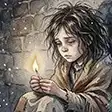
The story happens on the last night of the year. A poor little girl is walking in the snowy streets. She has no hat and no shoes. She lost her shoes earlier that day. She sells matches, but nobody buys any today. She is cold and hungry. She is also afraid to go home. Her father will hit her if she has no money.
She finds a small corner between two houses. She sits down there. Her hands are very, very cold. She wants to get warm, so she lights one match. The fire is bright and warm. In the light, she sees something wonderful. But then the match goes out, and the picture goes away.
She lights another match, and then another. Each match shows her something more beautiful. The fourth match shows her grandmother. Her grandmother was the only person who loved her. But she died a long time ago.
What happens to the little girl on this cold night? The story is short, but many people know its famous ending.
解説 2
First Visions: The Stove and the Goose
The little girl lights her first match on the wall. "Rischt!" That is the sound in this old English book. The fire is bright. She feels like she is sitting in front of a big iron stove. The stove has shiny gold-colored feet. She puts out her cold feet to make them warm. But the match goes out, and the stove is gone.
She lights a second match. The light shines on the wall. Now she can see through the wall. Behind it, there is a room. She sees a white tablecloth and nice plates. There is a hot roast goose with apples and dried plums. Then the goose jumps down from the plate. It walks to her with a knife and fork in its back. But then the second match goes out. Now there is only the cold, wet wall.
解説 3
The Tree, the Star, and the Grandmother
Then the girl lights a third match. Now she is sitting under a beautiful Christmas tree. Many, many candles are on its green branches. Pretty pictures look down at her. They are better than the pictures in shop windows. She puts out her hands. Then the match goes out. The lights on the tree go up and up. They become stars in the sky. Then one star falls. It makes a long line of fire in the sky.
"Someone just died," the girl says. Her grandmother loved her very much, but she died long ago. She once told the girl, "When a star falls, a person goes up to God."
The girl lights another match. In the bright light, she sees her grandmother. Her grandmother looks kind and full of love. The girl cries, "Grandmother! Please take me with you!"
解説 4
The Cold Morning
The girl is afraid. Her grandmother may go away, like the stove, the goose, and the Christmas tree. So she lights all her matches at once. The light is brighter than the sun at noon. Her grandmother holds her in her arms. Together they fly up, very high. They go to a place with no cold, no hunger, and no fear.
The next morning, people find the little girl in the cold corner between the two houses. She is dead. The cold night killed her. But her cheeks are red, and she has a smile on her face. "She wanted to get warm," people say. Nobody knows about the beautiful things she saw. Nobody knows that she started the new year with her grandmother.
The ending is famous. But it is not only a sad story. In Andersen's time, many poor children in Europe really suffered like this. Nobody helped them, even on a special holiday night. In the story, the girl is happy, but the people in the city do not care. Also, listen for some old English words in this book, like "livelong," "capitally," and "famously." They have old meanings. This old English makes the story feel even sadder.
解説 1
The Little Match Girl Story Summary
The Little Match Girl is a fairy tale by Hans Christian Andersen, the Danish author who also wrote The Ugly Duckling and The Little Mermaid. It first appeared in Denmark in 1845. The English translation we use comes from the Victorian period, so its language may sound slightly old-fashioned.
The story is set on New Year's Eve. A poor little girl is walking through the snowy streets with no hat and no shoes, since she has lost her slippers. All day long, nobody has bought even one match from her. She is cold and hungry, and she is afraid to go home, because her father will beat her if she returns without any money.
She finds a small corner between two houses and sits down. Her hands are almost numb from the cold. In order to warm herself, she decides to strike just one match. The flame is bright and warm, and in its light she sees something wonderful. However, as soon as the match goes out, the vision disappears.
She strikes another match, and then another. Each one shows her something even more beautiful than the one before. The fourth match brings her grandmother, the only person who ever loved her, who died many years ago.
What will happen to the little girl as the cold night goes on? Andersen's tale is short, but its ending is one of the most famous in all of children's literature.
解説 2
First Visions: The Stove and the Goose
The little girl strikes her first match against the wall. "Rischt!" is the sound the old translation uses for it. The flame burns brightly. To her, it seems as if she is sitting in front of a large iron stove with shining brass feet. She stretches out her cold feet to warm them. But then the match goes out, and the stove disappears.
She strikes a second match. Its light falls on the wall, which becomes as thin as a veil. Through it, she can see into a room with a white tablecloth, fine plates, and a steaming roast goose stuffed with apples and dried plums. Suddenly, the goose jumps down from the dish and walks toward her, with a knife and fork stuck in its breast. Then the second match goes out, and only the cold, damp wall remains.
解説 3
The Tree, the Star, and the Grandmother
The girl lights a third match. This time, she is sitting under a magnificent Christmas tree. Thousands of candles are burning on its green branches, and colorful pictures look down at her, even more wonderful than the ones she has seen in shop windows. She reaches out her hands, but the match goes out. The lights of the tree rise higher and higher until they turn into stars in the sky. One of them falls, leaving a long line of fire across the heavens.
"Someone has just died," the girl says. Her grandmother, the only person who ever loved her and who died long ago, once told her that when a star falls, a soul goes up to God.
She strikes another match. In its bright light stands her grandmother, kind, gentle, and full of love. The girl cries out, "Grandmother! Please take me with you!"
解説 4
The Cold Morning
The girl is afraid that her grandmother will disappear, just like the stove, the goose, and the Christmas tree. So she strikes the whole bundle of matches at once. The light is brighter than the middle of the day. Her grandmother takes her in her arms, and together they fly up, higher and higher, to a place where there is no cold, no hunger, and no fear.
The next morning, people find the little girl in the cold corner between the two houses. She has frozen to death, yet her cheeks are rosy and there is a smile on her face. "She was trying to warm herself," they say. Nobody knows what beautiful things she had seen, or how she had entered the new year with her grandmother.
The ending is famous, but it is more than just a sad story. Andersen wrote about poor children whose suffering was real and easy to see in 19th-century Europe. Nobody helped these children, even on a holy night. In the story, the girl's joy and the city's coldness exist side by side. Also, pay attention to the older English in this translation. Words such as "livelong," "capitally," and "famously" all have old meanings. In fact, this Victorian style gives the tale much of its sadness.
解説 1
The Little Match Girl Story Summary
The Little Match Girl is a fairy tale by Hans Christian Andersen, the Danish storyteller whose other enduring creations include The Ugly Duckling and The Little Mermaid. First published in Denmark in 1845, it reaches us here through a Victorian translation, so its idiom carries a faintly antiquated flavour.
The tale unfolds on New Year's Eve. A destitute little girl trudges through the snow-covered streets, bareheaded and barefoot, having lost her slippers. Not a single match has been sold all day. Frozen, famished, and dreading her return home, she knows that her father will beat her should she come back empty-handed.
Seeking refuge in a narrow nook between two houses, she huddles down, her hands all but numb with cold. In a desperate bid for warmth, she ventures to strike a single match. The flame blazes with radiant heat, and in its glow an exquisite vision materialises, only to evaporate the instant the match is extinguished.
She strikes another, and yet another, each conjuring a spectacle more resplendent than its predecessor. The fourth summons her grandmother, the sole person who ever cherished her, though she has long since been laid to rest.
What becomes of the child as the bitter night intensifies? Andersen's tale is brief, yet its denouement ranks among the most celebrated in the entire canon of children's literature.
解説 2
First Visions: The Stove and the Goose
The little girl strikes her first match against the wall, and the old translation renders the sound with the curious onomatopoeia "Rischt!" The flame flares brilliantly, and she fancies herself seated before a great iron stove resting on gleaming brass feet. She extends her frozen feet towards its warmth, but the match gutters out and the stove evaporates.
She strikes a second. Its light falls upon the wall, which grows as diaphanous as a veil, affording her a glimpse into a room laid with a pristine white tablecloth, fine porcelain, and a roast goose steaming beside a stuffing of apples and dried plums. Astonishingly, the goose waddles down from the dish and approaches her, a knife and fork still lodged in its breast. Then the second match expires, leaving nothing but the cold, damp masonry.
解説 3
The Tree, the Star, and the Grandmother
The girl kindles a third match and finds herself seated beneath a magnificent Christmas tree. Thousands of candles flicker among its verdant boughs, while vivid pictures gaze down upon her, surpassing in splendour any she has glimpsed in shop windows. She stretches out her hands in longing, but at that very moment the match dies. The tree's lights ascend ever higher until they metamorphose into stars, one of which plummets, tracing a long fiery streak across the firmament.
"Someone has just died," the girl murmurs. Her grandmother, the only soul who ever loved her and long since departed, once confided that whenever a star falls, a soul ascends to God.
She strikes yet another match, and within its radiance stands her grandmother, benevolent, tender, and suffused with love. The child cries out, "Grandmother! Take me with you!"
解説 4
The Cold Morning
Terrified that her grandmother will vanish as the stove, the goose, and the Christmas tree did before her, the girl ignites the entire bundle of matches at once. The resulting blaze outshines the noonday sun. Her grandmother gathers her into her arms, and together they soar upward, ever higher, to a realm untouched by cold, hunger, or fear.
At daybreak, passers-by discover the little girl in the frigid corner between the two houses. She has frozen to death, yet her cheeks are rosy and her lips curved in a smile. "She wanted to warm herself," they remark, wholly unaware of the splendours she had beheld or of how she had ushered in the new year at her grandmother's side.
Celebrated though this ending is, it would be reductive to read it merely as a tearjerker. Andersen was depicting the very real and conspicuous privation of impoverished children in nineteenth-century Europe, children whom no one succoured even on a sacred night. The girl's rapture and the city's callous indifference are juxtaposed with unsparing clarity. Attend, too, to the archaic register of this translation: words such as "livelong," "capitally," and "famously" retain senses now obsolete. It is this Victorian voice that lends the tale much of its poignancy.
