





The LITIM Podcast
The Selfish Giant
ポッドキャストの原稿
The LITIM Podcast のこの回で読んでいる英語の全文です。 色のついた単語をタップすると、やさしい英語で意味が出ます。 聴きながら目で追うのにも、聴いたあとの確認にもどうぞ。
前半:解説
解説 1
The Selfish Giant Story Summary
The Selfish Giant is a short story by Oscar Wilde, written in 1888. It comes from the same book as The Happy Prince, and it is one of his most loved fairy tales.
『わがままな大男』は、オスカー・ワイルドが1888年に書いた短編小説です。『幸福な王子』と同じ本に収められた、彼の最も愛された童話のひとつです。
The story begins with a beautiful garden. Every afternoon, children come to play there after school. Soft green grass, lovely flowers, and twelve peach-trees fill the garden. Birds sing in the trees, and the children are very happy.
物語は、美しい庭から始まります。毎日午後になると、子どもたちが学校帰りにそこへ遊びに来ます。やわらかい緑の芝生、かわいらしい花々、そして十二本の桃の木が庭を満たしています。木々では小鳥がさえずり、子どもたちはとても幸せです。
But the garden belongs to a Giant. One day he comes back after seven years away. When he sees the children, he is angry. "My own garden is my own garden," he says. He builds a high wall around it and puts up a sign: no one may enter.
しかし、その庭は大男のものでした。ある日、彼は七年の留守ののちに帰ってきます。子どもたちを見ると、彼は腹を立てます。「おれの庭はおれの庭だ」と彼は言います。そして庭のまわりに高い壁を築き、立て札を立てます——誰も入ってはならない、と。
Now the children have nowhere to play. And something strange happens. Spring comes to the whole country, but not to the Giant's garden. There, it stays winter all year. The Snow, the Frost, the North Wind, and the Hail are happy to live in the cold, empty garden.
子どもたちは遊ぶ場所をなくしてしまいます。すると、不思議なことが起こります。国じゅうに春が訪れるのに、大男の庭にだけは春が来ないのです。そこは一年じゅう冬のまま。雪と霜と北風とあられが、冷たく人気のない庭に喜んで住みつきます。
Why will Spring not come? And what will finally change the Giant's cold heart? That is the story of the Selfish Giant.
なぜ春は来ないのでしょう。そして、何が大男の冷たい心をついに変えるのでしょうか。これが『わがままな大男』の物語です。
解説 2
The Giant Builds His Wall
Let us look more closely at the Giant and his wall.
大男とその壁を、もう少しくわしく見てみましょう。
The Giant has been away for seven years, visiting his friend the Cornish ogre. When he returns, he finds the children playing in his garden. He speaks in a gruff voice, and the children run away in fear.
大男は七年のあいだ、友だちのコーンウォールの鬼を訪ねて留守にしていました。帰ってくると、子どもたちが庭で遊んでいるのを見つけます。彼が荒々しい声で話すと、子どもたちは怖がって逃げ出します。
The Giant is selfish. He wants the garden only for himself. So he builds a high wall all around it, and puts up a notice-board that says trespassers will be punished.
大男はわがままです。庭を自分だけのものにしたいのです。そこで彼は庭のまわりに高い壁を築き、「無断で入る者は罰せられる」と書いた立て札を立てます。
But his selfishness has a price. When Spring comes to the rest of the world, his garden stays frozen. The trees forget to blossom, and the birds do not want to sing. Only the Snow and the Frost are pleased. "Spring has forgotten this garden," they say. The Giant sits at his window and wonders why the cold will not go away.
しかし、わがままには代償がありました。世界のほかの場所に春が来ても、彼の庭は凍りついたままです。木々は花を咲かせるのを忘れ、小鳥たちは歌いたがりません。喜ぶのは雪と霜だけ。「春はこの庭を忘れたんだ」と彼らは言います。大男は窓辺にすわり、なぜ寒さが去らないのかと首をかしげるのです。
解説 3
Spring Returns to the Garden
One morning, the Giant hears a little bird singing outside his window. It is a linnet, and its song is the most beautiful music he has heard for a long time. At that moment, the Hail stops, the North Wind grows quiet, and a sweet smell comes through the window. Spring has come at last.
ある朝、大男は窓の外で小鳥がさえずるのを聞きます。それはひわで、その歌は彼が長いあいだ聞いたなかで最も美しい調べでした。その瞬間、あられはやみ、北風は静かになり、甘い香りが窓から流れ込んできます。ついに春が来たのです。
The Giant looks out and sees a wonderful sight. The children have crept in through a small hole in the wall. They are sitting in the trees, and the trees are covered with blossoms again.
大男が外を見ると、すばらしい光景が広がっていました。子どもたちが壁の小さな穴から忍び込んでいたのです。彼らは木々の上にすわり、木々はふたたび花でおおわれています。
But in one corner, it is still winter. A little boy is too small to climb the tree, and he stands crying. The North Wind still blows above him.
けれども、ある一つの隅だけは、まだ冬のままでした。小さな男の子が、背が足りなくて木に登れず、泣きながら立っています。その上では北風がなおも吹いていました。
Then the Giant's heart melts. "How selfish I have been!" he says. He goes out softly, lifts the little boy gently into the tree, and the tree breaks into blossom at once. The other children come back, and the Giant takes a great axe and knocks down the wall. Now the garden belongs to all the children for ever.
そのとき、大男の心がとけます。「おれはなんてわがままだったんだ」と彼は言います。そっと外に出て、小さな男の子をやさしく木の上に持ち上げると、木はたちまち花を咲かせます。ほかの子どもたちも戻ってきて、大男は大きな斧を手に取り、壁を打ち壊します。こうして庭は、永遠にすべての子どもたちのものになったのです。
解説 4
The Wounds of Love
Years pass, and the Giant grows old and weak. He can no longer play, so he sits in a great armchair and watches the children at their games. He loves them all, but he never forgets the little boy he once lifted into the tree. He longs to see him again.
歳月が流れ、大男は年老いて弱っていきます。もう遊ぶことはできず、大きな肘掛け椅子にすわって、子どもたちが遊ぶのをながめています。彼は子どもたち皆を愛していましたが、かつて木の上に持ち上げてやった小さな男の子のことだけは、けっして忘れませんでした。もう一度あの子に会いたいと願いつづけます。
One winter morning, the Giant looks out and sees a marvellous sight. In the farthest corner stands a tree covered with white blossoms, and under it is the little boy he had loved.
ある冬の朝、大男が外を見ると、目を見張る光景がありました。いちばん遠い隅に、白い花でおおわれた木が立ち、その下に、かつて愛したあの男の子がいたのです。
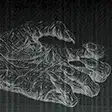
The Giant runs out in joy. But when he comes close, he sees that the child has wounds on his hands and feet — the prints of two nails. "Who has dared to wound you?" cries the Giant. "I will take my sword and kill him."
大男は喜んで駆け出します。けれども近づくと、その子の手と足に傷があるのが見えました——二つの釘のあとです。「いったい誰がおまえを傷つけたのか」と大男は叫びます。「剣を取って、そいつを討ち取ってやる」
"No," answers the child. "These are the wounds of Love." The Giant kneels before the little child in wonder. The child smiles and says, "You let me play in your garden. Today you shall come with me to my garden, which is Paradise."
「いいえ」と子どもは答えます。「これは愛の傷なのです」。大男は驚いて、小さな子どもの前にひざまずきます。子どもはほほえんで言います。「あなたは庭で遊ばせてくれました。今日はわたしの庭、すなわち楽園へ、いっしょに来てください」
That afternoon, the children find the old Giant lying dead under the tree, all covered with white blossoms.
その日の午後、子どもたちは、白い花にすっかりおおわれて木の下に横たわる、年老いた大男の亡骸を見つけたのです。
後半:John と Cale の会話
会話 1
Talking About The Selfish Giant
Have you read this one — The Selfish Giant?
これ読んだ?『わがままな大男』。
Not yet. It's by Oscar Wilde, right? The same writer as The Happy Prince.
まだなんだ。オスカー・ワイルドだよね?『幸福な王子』と同じ作家の。
Exactly. It's from the very same book, written in 1888. It's short, but it stays with you.
そう。まったく同じ本に入っていて、1888年に書かれた話だよ。短いけど、心に残る。
What is it about?
どんな話なの?
There's a big, beautiful garden. Every afternoon, children come and play there after school.
大きくて美しい庭があるんだ。毎日午後になると、子どもたちが学校帰りにそこで遊ぶ。
That sounds lovely. So what's the problem?
すてきだね。それで何が問題なの?
The garden belongs to a Giant. One day he comes home after seven years away, and he's angry to find the children there.
その庭は大男のものなんだ。ある日、七年の留守から帰ってきて、子どもたちがいるのを見て腹を立てる。
Seven years! Where was he?
七年も!どこに行ってたの?
Visiting a friend. But when he returns, he builds a high wall around the garden so no children can come in.
友だちを訪ねていたのさ。でも帰ってくると、子どもが入れないように庭のまわりに高い壁を築くんだ。
That's so mean. He keeps the whole garden just for himself?
ひどいなあ。庭ぜんぶを自分だけのものにするの?
Yes. He even puts up a sign warning people to stay out. That's why he's called the Selfish Giant.
そう。立ち入り禁止の立て札まで立てる。だから「わがままな大男」と呼ばれるんだ。
And then? Does something happen to him?
それから?彼に何か起きるの?
Something strange. Spring comes to the whole country — but not to his garden. There, it stays winter forever.
不思議なことがね。国じゅうに春が来るのに、彼の庭にだけは来ない。そこはずっと冬のままなんだ。
Only his garden stays cold? Why?
彼の庭だけ寒いまま?どうして?
That's the heart of the story. Let's read it and find out how the Giant's cold heart finally changes.
そこがこの物語の核心さ。読んで、大男の冷たい心がどう変わるのか確かめよう。
Now I really want to know. Let's begin.
すごく知りたくなってきた。始めよう。
会話 2
The Giant's Wall
So the Giant builds his wall. Let's talk about why that matters.
大男は壁を築く。それがなぜ大事なのか話そう。
He just wants the garden for himself, right? Is that so bad?
庭を自分だけのものにしたいだけだよね?そんなに悪いこと?
Think about what he takes away. The children had nowhere else to play. The garden was their joy.
彼が何を奪ったか考えてみて。子どもたちは他に遊ぶ場所がなかった。庭は彼らの喜びだったんだ。
That's true. The story says they used to wander around the wall and remember how happy they were inside.
たしかに。子どもたちは壁のまわりをうろついて、中で幸せだったころを思い出してた、って書いてあるね。
Right. And here's the strange part. When Spring comes everywhere else, the Giant's garden stays frozen.
そう。そしてここが不思議なところ。ほかのどこにも春が来るのに、大男の庭だけは凍りついたまま。
Why would the weather punish him?
どうして天気が彼を罰するの?
It's not really weather. It's the story showing us that selfishness freezes everything around it.
ほんとうの天気の話じゃないんだ。わがままは周りのすべてを凍らせる、と物語が見せているのさ。
Oh, I see. The cold garden is like his cold heart.
ああ、なるほど。冷たい庭は、彼の冷たい心みたいなものか。
Exactly. The trees forget to blossom. The birds don't want to sing there.
そのとおり。木々は花を咲かせるのを忘れる。小鳥もそこでは歌いたがらない。
And some strange visitors move in, don't they?
それで、変な客が住みつくんだよね?
Yes — the Snow, the Frost, the North Wind, and the Hail. They're happy in the empty, cold garden.
そう——雪と霜と北風とあられ。彼らは人気のない冷たい庭で大喜びなんだ。
They even say something, right?
何か言葉も口にするよね?
The Snow and Frost say, "Spring has forgotten this garden, so we will live here all year."
雪と霜が言うんだ。「春はこの庭を忘れた。だから一年じゅうここに住もう」って。
That's a little scary. So nothing can grow while he's selfish.
ちょっと怖いね。彼がわがままなあいだは、何も育たない。
Nothing. The Giant sits at his window, confused, wondering why the cold won't leave.
何もね。大男は窓辺にすわって、なぜ寒さが去らないのかと戸惑っている。
He doesn't understand yet that he caused it himself.
自分が招いたことだと、まだ分かっていないんだ。
Not yet. That understanding comes later — and it changes everything.
まだね。その気づきは後でやってくる——そして、すべてを変えるんだ。
I can't wait to find out what finally melts that cold heart.
その冷たい心を、最後に何がとかすのか。早く知りたいよ。
会話 3
The Little Boy in the Corner
Now comes the turning point. One morning, the Giant hears something.
さあ、転回点だ。ある朝、大男はあるものを耳にする。
What does he hear?
何を聞くの?
A little bird singing — a linnet. After such a long winter, its song is the most beautiful music he's heard.
小鳥のさえずり——ひわだ。長い冬のあとだから、その歌は彼が聞いたなかで最も美しい調べに思えるんだ。
And that's when spring finally returns?
それで、ついに春が戻ってくる?
Yes. The hail stops, the North Wind goes quiet, and a sweet smell drifts through his window.
そう。あられはやみ、北風は静かになり、甘い香りが窓から流れ込んでくる。
How did spring get back in? I thought the wall kept everyone out.
どうやって春は中に入れたの?壁がみんなを締め出してたんじゃ?
The children found a small hole in the wall and crept inside. They're sitting in the trees, and the trees burst into blossom again.
子どもたちが壁の小さな穴を見つけて、そっと忍び込んだのさ。木々の上にすわると、木はまた一斉に花を咲かせる。
So the children bring the spring with them.
つまり子どもたちが春を連れてくるんだ。
Exactly. Where there are children, there is life. But in one corner, it's still winter.
まさに。子どもがいるところに、命がある。でも、ひとつの隅だけはまだ冬のままなんだ。
Why that one corner?
どうしてその隅だけ?
A little boy is too small to climb the tree. He stands there crying, and the North Wind still blows above him.
小さな男の子が、背が足りなくて木に登れない。泣きながら立っていて、その上では北風がまだ吹いている。
Poor child. What does the Giant do?
かわいそうに。大男はどうするの?
His heart melts. He says, "How selfish I have been!" He goes out softly and lifts the boy gently into the tree.
心がとけるんだ。「おれはなんてわがままだったんだ」と言って、そっと外へ出て、男の子をやさしく木の上に持ち上げる。
And the tree?
それで木は?
It breaks into blossom at once. Then the Giant takes a great axe and knocks down the wall himself.
たちまち花を咲かせる。そして大男は大きな斧を手に取り、自分の手で壁を打ち壊すんだ。
So he gives the garden back to the children.
庭を子どもたちに返すんだね。
For ever. From that day, the garden belongs to all of them. His selfishness is gone.
永遠にね。その日から、庭はみんなのものになる。彼のわがままは消えたんだ。
What a change of heart. I'm so glad the garden is full of children again.
なんという心変わりだろう。庭がまた子どもたちでいっぱいになって、本当によかった。
会話 4
The Wounds of Love
This last part is the most beautiful — and the most mysterious.
この最後の場面が、いちばん美しくて——いちばん謎めいている。
Mysterious? What happens?
謎めいてる?何が起きるの?
Years pass. The Giant grows old and weak. He can't play anymore, so he watches the children from his chair.
歳月が流れる。大男は年老いて弱る。もう遊べないから、椅子から子どもたちをながめている。
Is he happy now?
今は幸せなの?
Yes, but he never forgets one child — the little boy he lifted into the tree. He longs to see him again.
ああ。でも、ひとりの子どもだけは忘れない——木の上に持ち上げた、あの小さな男の子だ。もう一度会いたいと願いつづける。
The boy never came back?
あの子は戻ってこなかったの?
Never. Then, one winter morning, the Giant looks out and sees that boy standing under a tree full of white blossoms.
一度もね。そんなある冬の朝、大男が外を見ると、白い花でいっぱいの木の下に、あの子が立っているんだ。
He finally returns! That's wonderful.
ついに戻ってきた!すばらしいね。
The Giant runs out in joy. But when he comes close, he sees wounds on the child's hands and feet.
大男は喜んで駆け出す。でも近づくと、その子の手と足に傷があるのが見える。
Wounds? What kind of wounds?
傷?どんな傷?
The prints of two nails — one on each hand, one on each foot.
二つの釘のあと——両手に一つずつ、両足に一つずつ。
Wait. Nail prints on the hands and feet... is the child meant to be Jesus?
待って。手と足の釘のあと……その子はイエスを表しているの?
Many readers understand it that way. The Giant is angry and says he'll find who hurt the child.
多くの読者がそう受け取るね。大男は怒って、誰がこの子を傷つけたのか探し出すと言う。
And what does the boy say?
それで、男の子は何て言うの?
He smiles and says, "These are the wounds of Love."
ほほえんで言うんだ。「これは愛の傷なのです」って。
The wounds of Love. So they aren't wounds of cruelty at all.
愛の傷。じゃあ、ひどい仕打ちの傷なんかじゃないんだね。
No. Then the child says, "You let me play once in your garden. Today you shall come to my garden, which is Paradise."
ちがう。そして子どもは言う。「あなたは昔、庭で遊ばせてくれた。今日はわたしの庭、すなわち楽園へ来てください」
So the boy came to take the Giant with him.
その子は、大男を連れに来たんだね。
That afternoon, the children find the old Giant lying dead under the tree, covered all over with white blossoms.
その日の午後、子どもたちは、白い花にすっかりおおわれて木の下に横たわる、年老いた大男を見つけるんだ。
He gave his garden to the children, and in the end he's given a garden of his own. That's a beautiful ending.
庭を子どもたちに与えて、最後には自分の庭をもらう。美しい結末だね。
