



The LITIM Podcast
The Happy Prince
ポッドキャストの原稿
The LITIM Podcast のこの回で読んでいる英語の全文です。 色のついた単語をタップすると、やさしい英語で意味が出ます。 聴きながら目で追うのにも、聴いたあとの確認にもどうぞ。
前半:解説
解説 1
The Happy Prince Story Summary
The Happy Prince is a short story by Oscar Wilde, written in 1888. It is one of the most beloved fairy tales in English literature.
『幸福な王子』は、オスカー・ワイルドが1888年に書いた短編小説です。英文学で最も愛されている童話のひとつです。
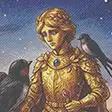
The story is about a tall statue of a prince. The statue stands high above a busy city. It is covered with thin leaves of pure gold. The eyes are two bright blue sapphires, and a large red ruby shines on the sword.
物語の主人公は、王子の像です。その像は、にぎやかな街の高い円柱の上に立っています。全身が薄い純金の葉でおおわれ、目には二つの青いサファイア、剣には大きな赤いルビーが輝いています。
One cold night, a small bird called the Swallow flies to the statue to rest. He is on his way to warm Egypt, but he has come too late. His friends have already left.
ある寒い夜、ツバメが一羽、像のもとへ休みに飛んできます。彼は暖かいエジプトへ向かう途中でしたが、出発が遅れてしまいました。仲間たちはもう先に旅立ってしまったのです。
Suddenly, a drop of water falls on the Swallow. The sky is clear, so it is not rain. He looks up — and sees the Happy Prince crying.
すると突然、ツバメの上に一滴の水が落ちてきます。空は晴れているので、雨ではありません。見上げると——幸福な王子が涙を流していました。
The Prince has something to ask the little bird.
王子には、小さなツバメに頼みたいことがあるのです。
解説 2
The Ruby for the Seamstress
The Happy Prince points to a small house far away. A poor woman is sewing a dress by candlelight. Her little son is sick with fever, and he asks for oranges. But she has only river water to give him.
幸福な王子は、はるか遠くの小さな家を指さします。そこでは、貧しい女がろうそくの明かりでドレスを縫っています。幼い息子は熱を出し、オレンジを欲しがりますが、母には川の水しか与えるものがありません。
The Prince asks the Swallow to take the ruby from his sword and bring it to her. The Swallow does not want to stay. He wants to fly to Egypt with his friends.
王子はツバメに頼みます。剣のルビーを抜き取って、彼女のもとへ届けてほしい、と。ツバメは行きたくありません。仲間と一緒にエジプトへ飛びたいのです。
But the Prince's eyes fill with tears. The Swallow cannot say no. He picks up the ruby and flies through the cold city.
けれども王子の目には涙があふれます。ツバメは断ることができません。ルビーをくわえ、寒い街を飛んでいきます。
He places it on the table, and the boy falls into a peaceful sleep.
彼がそれを机の上に置くと、男の子は静かな眠りに落ちました。
解説 3
The Two Sapphires
The next night, the Prince asks for help again. A young writer is trying to finish a play in a cold attic. He has no fire, no food, and no hope.
翌晩、王子はまた助けを求めます。屋根裏部屋では、若い劇作家が寒さの中で戯曲を書き上げようとしています。火もなく、食べ物もなく、希望もありません。
"Pluck out one of my sapphire eyes and take it to him," says the Prince. The Swallow cries — he does not want to make the Prince blind. But he obeys.
「私のサファイアの目をひとつ抜き取って、彼に届けてくれ」と王子は言います。ツバメは泣きます——王子を盲目にしたくないのです。けれど彼は言われた通りにします。
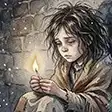
On the third night, the Prince asks the Swallow to give his other eye to a little match-girl in the street. Now the Prince cannot see at all.
三日目の夜、王子はもう一方の目を、街角のマッチ売りの少女に届けてくれと頼みます。これで王子は何も見えなくなってしまいました。
The Swallow decides to stay. He will be the eyes of the blind Prince forever.
ツバメは決心します。盲目になった王子の目になって、ずっとそばにいると。
解説 4
The Leaden Heart
Winter comes. The city is covered with snow, and the Swallow grows weak. But still he stays.
冬がやってきます。街は雪に覆われ、ツバメはだんだん弱っていきます。それでも、彼はそばを離れません。
The Prince tells him to take the gold leaves from his body, one by one, and give them to the poor children. Soon the statue is gray and dull.
王子はツバメに頼みます。体の金の葉を一枚ずつはがして、貧しい子どもたちに配ってほしい、と。やがて像は灰色のみすぼらしい姿になります。
The Swallow knows he is dying. He kisses the Prince's lips and falls dead at his feet. At that moment, the leaden heart of the Prince breaks in two.
ツバメは自分の死期を悟ります。彼は王子の唇にくちづけをして、その足元で息絶えます。その瞬間、王子の鉛の心臓は二つに割れました。
The mayor sees the ugly statue and orders it to be melted down. But the heart will not melt. It is thrown away with the dead bird.
市長は醜くなった像を見て、溶かしてしまえと命令します。しかし心臓は溶けません。それは死んだ鳥と一緒に捨てられました。
Then God speaks. He asks His Angel to bring the two most precious things in the city.
そのとき、神が語りかけます。「この街でもっとも貴いものを二つ、私のもとへ持ってきなさい」と。
後半:John と Cale の会話
会話 1
Talking About The Happy Prince
So I just finished reading The Happy Prince. Have you read it?
『幸福な王子』を読み終えたところなんだ。読んだことある?
Yeah, I read it as a kid. Reading it again as an adult feels completely different.
うん、子どものころに読んだよ。大人になってから読み直すと、まったく違って見えるよね。
Right? When I was little, it was just a sad fairy tale. Now I keep noticing how much pain is in it.
そうなんだよ。小さい頃はただ悲しい童話だった。今読むと、どれだけの痛みが書かれているかに気づく。
That's the strange thing about Wilde. He wrote it for children, but every page has something for adults too.
そこがワイルドの不思議なところなんだ。子ども向けに書いてるんだけど、どのページにも大人のための何かがある。
The opening got me right away. A statue of a prince, covered in gold, crying because he can see the city below.
冒頭でいきなり持っていかれた。金で覆われた王子の像が、眼下の街を見て泣いている。
And the swallow shows up by accident. He's late for Egypt, and he just wants somewhere to sleep for one night.
そこに偶然ツバメがやってくる。エジプトへ向かう途中で出遅れて、一晩だけ寝床を探していただけなんだよね。
One night. That's all he plans to stay. But the prince asks him for a small favor, and everything changes.
一晩。彼はそれだけのつもりだった。でも王子に小さな頼みごとをされて、すべてが変わっていく。
I love how natural that feels. He doesn't agree because he's noble. He agrees because the prince is crying, and he can't stand it.
あの場面の自然さがいい。彼は気高いから引き受けるんじゃない。王子が泣いていて、それに耐えられないから引き受けるんだ。
So the whole story starts with one small kindness. Just delivering a ruby.
つまり物語は、ひとつの小さな親切から始まる。ただルビーを届けるだけのことから。
Yes. And from there, it grows. The swallow keeps saying "tomorrow I'll leave," and tomorrow keeps coming.
そう。そしてそこから広がっていく。「明日は発つ」とツバメは言い続け、その明日が次々にやってくる。
That part really hit me. He's not making a grand decision. He's just postponing his own life.
その流れがすごく刺さった。彼は大きな決断をしているわけじゃない。ただ自分の人生を後回しにしているだけなんだ。
Exactly. Wilde is showing us how love actually works. Not as one big choice, but as a hundred small ones.
そこなんだよね。ワイルドは愛が実際にどう働くかを見せてくれている。ひとつの大きな選択じゃなくて、百個の小さな選択として。
Is that the real heart of the story for you?
そこがこの物語の本当の中心?
I think so. The prince and the swallow don't save the world. They just stay a little longer, and give a little more.
私はそう思う。王子とツバメは世界を救うわけじゃない。ただもう少しそばにいて、もう少し多く与えるだけなんだ。
And the city doesn't even notice. The mayor and the councillors barely see them.
そして街はそれに気づきもしない。市長も議員たちも、ほとんど彼らを見ていない。
That's Wilde's quiet anger. The kindness is real. The world that ignores it is also real. Both stay true to the end.
それがワイルドの静かな怒り。優しさは本物だ。それを無視する世界も本物だ。両方とも、最後まで本物のままなんだ。
会話 2
The Prince's Gifts
The part I keep coming back to is the prince's first request. He asks the swallow to take the ruby off his sword.
何度も思い返すのが、王子の最初の頼みごとなんだ。剣からルビーを抜き取ってくれって、ツバメに頼むところ。
And the reason is so specific. A poor mother, a sick boy, a play that won't be finished in time.
理由がやけに具体的なんだよね。貧しい母親、熱を出した男の子、間に合わない一本の戯曲。
He's not solving poverty. He's helping one family, on one night.
王子は貧困を解決しようとしているわけじゃない。一晩、一つの家族を助けるだけなんだ。
That detail matters. Wilde isn't writing about charity in a big abstract sense. He's writing about people you can actually see.
その具体性が大事なんだよ。ワイルドは抽象的な「慈善」を書いてるんじゃない。実際に見える人たちのことを書いている。
But the prince couldn't see them when he was alive, right? He says that himself.
でも、生きていたころの王子にはその人たちが見えなかった。本人がそう言ってるよね。
Yes, that line broke me. He says when he was alive, he didn't know what tears were. His palace had walls so high, sorrow couldn't get in.
そう、あの台詞には参った。生きていた頃は涙というものを知らなかった、宮殿の壁が高すぎて悲しみが入ってこなかったって。
So death gave him sight. Becoming a statue is the first time he really sees his own city.
つまり死が彼に視力を与えた。像になって初めて、自分の街を本当に見ることになる。
It's such a strange and beautiful idea. He's frozen, gilded, useless — and yet for the first time he understands.
不思議で美しい発想だよね。動けない、金で塗り固められた、無力な存在——それなのに、その状態で初めて理解する。
And the only thing he can do now is give pieces of himself away.
そして今の彼にできるのは、自分の体の一部を分け与えることだけ。
The ruby, the two sapphires, then the gold leaves one by one. By the end he's just lead and stone.
ルビー、二つのサファイア、そして金の葉を一枚ずつ。最後には鉛と石だけになる。
Does that bother you? It almost feels like Wilde is saying you have to destroy yourself to be good.
それって引っかからない? ワイルドは「善くあるためには自分を壊さなきゃいけない」って言ってるみたいに読めるんだ。
I used to read it that way. Now I think it's gentler. The prince isn't being punished. He's finally choosing what to do with what he has.
私も昔はそう読んでた。今はもっと優しい話だと思う。王子は罰せられているんじゃない。やっと、自分が持っているもので何をするかを自分で選んでいるんだ。
So the gold and jewels were never really his.
つまり、金や宝石は本当の意味で彼のものじゃなかったってこと。
That's the line. They were given to him as decoration. He gives them away as meaning. That's the whole shift.
そこが核心。それらは飾りとして与えられた。彼はそれを意味として手放していく。その変化がすべてなんだ。
And the swallow watches all of it.
そしてツバメはそれを全部見ている。
The swallow watches, and then he starts choosing too. That's where the second story begins.
ツバメは見ていて、やがて自分でも選び始める。そこから第二の物語が始まるんだよね。
会話 3
Why the Swallow Stayed
The part that stays with me most is the swallow. He keeps saying he'll leave tomorrow, and he never does.
いちばん心に残るのはツバメなんだ。「明日には発つ」って言い続けて、結局一度も発たない。
And no one is making him stay. The prince even tells him to go. "Swallow, will you not stay with me one night longer?" — it's a request, not a command.
しかも引き止めている人はいないんだよね。王子自身も「もう一晩いてくれないか」って頼んでいるだけで、命令はしていない。
That line gets me every time. The swallow is completely free, and he chooses winter over Egypt anyway.
あの一文に毎回やられる。ツバメは完全に自由なんだ。それでもエジプトじゃなくて冬を選ぶ。
That's the part Wilde really wants us to feel. The choice is real, every single night.
そこをワイルドは絶対に感じさせたいんだよね。選択は本物で、しかもそれが毎晩繰り返される。
Why do you think he stays? Is it pity? Friendship? Love?
なんで彼は残ったんだと思う? 同情? 友情? 愛?
I think it starts as pity, but it becomes something else. By the third night he's calling the prince "dear Prince." That's a shift.
同情から始まるけど、途中で別のものに変わっていくと思う。三日目の夜には「親愛なる王子」って呼んでる。あそこで何かが切り替わる。
He's giving up everything his kind is built for. Birds aren't supposed to spend winter in northern cities.
ツバメは自分の種が本来やるはずのことを、全部捨てている。鳥は北の街で冬を越すようにできていない。
Exactly. He's a swallow. Migration is in his body. Staying isn't a decision he plans — it's a sacrifice his body keeps reminding him of.
そう。彼はツバメなんだ。渡りは体に組み込まれている。残ることは計画した犠牲じゃない——体が「行け」と言い続けるなかでの犠牲なんだ。
And still, when the prince goes blind, the swallow says he'll be his eyes forever.
それでも、王子が目を失ったとき、ツバメは「永遠にあなたの目になる」って言う。
That word, forever. He says it knowing the cold will kill him.
「永遠に」って言葉。自分が寒さで死ぬとわかっていて言っているんだよね。
Do you think he understands he's going to die?
自分が死ぬってこと、ツバメは理解していたと思う?
I think part of him does. There's a moment where he kisses the prince's hand and asks if he's going to Egypt. He's making peace with not going.
一部は理解してたと思う。王子の手にキスをして「私はエジプトへ行くのですか」と聞く場面があるんだ。行かないことと折り合いをつけている。
That's the saddest line in the story for me.
あれが物語のなかで一番悲しい台詞だな、僕にとっては。
For me too. Wilde doesn't make him brave. He's just tired and cold and in love, and he stays.
私にとってもそう。ワイルドは彼を勇敢に描いてないんだ。ただ疲れていて、寒くて、愛していて、それで残るだけ。
So the swallow's love isn't bigger than his fear.
つまりツバメの愛は、恐怖より「大きい」わけじゃないってこと。
No. It's just a little stronger, on the night that matters. That's all real love ever is.
そう。大事な夜に、ほんの少しだけ強かっただけ。本物の愛ってそれ以上のものじゃないんだよ。
会話 4
The Leaden Heart
So the swallow dies, and at that exact moment the prince's leaden heart breaks in two.
ツバメが死んで、まさにその瞬間に王子の鉛の心臓が二つに割れる。
That's such a strong image. Lead doesn't break easily. Wilde gives us the impossible thing happening, just as the bird falls.
あのイメージが強烈なんだよね。鉛は簡単には割れない。ワイルドは、鳥が落ちるその瞬間にあり得ないことを起こす。
And the next morning, the mayor walks past and only notices that the statue looks shabby.
翌朝、市長が通りかかって、像がみすぼらしくなっていることだけに気づく。
"He is little better than a beggar." That's actually a cruel line, when you think about it.
「これでは乞食と変わらない」って台詞。よく考えると、かなり残酷な一言だよね。
Wilde really turns on the city in that scene. The mayor, the councillors, the art professor — they all sound petty and small.
あの場面でワイルドは街を本当に容赦なく描いてる。市長、議員たち、美術教授——みんな小物に見える。
It's almost a comedy section in the middle of a tragedy. They argue about who the next statue should be of, and each one wants himself.
悲劇のど真ん中に喜劇が挟まってるみたいなんだ。次の像は誰のものにするかで議論して、それぞれが自分を立てたがる。
Meanwhile the heart and the bird are thrown on a dust heap.
その間に、心臓と鳥はゴミ捨て場に投げ捨てられる。
On a dust heap, together. Wilde is very careful with that detail. They die together, and they're discarded together.
ゴミ捨て場に、二つ一緒に。ワイルドはそこを丁寧に書いている。彼らは一緒に死に、一緒に捨てられるんだ。
And then the ending takes a sudden turn. God speaks. The angel brings up the leaden heart and the dead bird.
そしてそこから物語が突然方向を変える。神が語りかけて、天使が鉛の心臓と死んだ鳥を運んでいく。
"Bring me the two most precious things in the city." That line completely rewrites the story.
「この街でもっとも貴いものを二つ、私のもとへ持ってきなさい」。あの一文が物語を全部書き換えるんだよね。
Does the religious ending work for you? Some readers find it too neat.
あの宗教的な結末って、君的には機能してる? 出来すぎだって読む人もいるよね。
I used to. Now I think Wilde needs it. Without it, the world he's described is unbearable. The city wins.
昔はそう思ってた。今はワイルドにこの結末が必要だったと思う。これがないと、彼が描いた世界は耐えられない。街が勝ってしまう。
So the ending is less about heaven, and more about refusing to let the city have the last word.
つまり結末は「天国の話」というより、「街に最後の言葉を取らせない」ためのものってこと?
Exactly. Wilde isn't promising readers that goodness is rewarded. He's saying someone, somewhere, has to see it.
そういうこと。ワイルドは読者に「善は報われる」と約束しているわけじゃない。「誰かがどこかでそれを見届けなければならない」と言っているんだ。
And that "someone" doesn't have to be God for the message to land.
その「誰か」は神じゃなくても物語は届く。
No. It can be us. We're the ones who just finished the story. We saw them. That's the real ending.
届くよ。私たちでもいい。物語を読み終えたばかりの私たちが、彼らを見届けた。それが本当の結末なんだ。
