







The LITIM Podcast
The Open Window
ポッドキャストの原稿
The LITIM Podcast のこの回で読んでいる英語の全文です。 色のついた単語をタップすると、やさしい英語で意味が出ます。 聴きながら目で追うのにも、聴いたあとの確認にもどうぞ。
前半:解説
解説 1
The Open Window Story Summary
The Open Window is a short story by Saki, first published in 1911.
Saki is the pen name of H. H. Munro, a British writer known for his witty and surprising endings. This story is one of his most famous works.
The story is about Framton Nuttel, a nervous man who is on a country visit to rest his mind.
His sister has given him letters of introduction to local families.
He arrives at the home of Mrs. Sappleton, where he is met by her fifteen-year-old niece, Vera.
While they wait for Mrs. Sappleton, Vera tells him a strange and sad story.
She says that three years ago, Mrs. Sappleton's husband and her two young brothers went out to hunt across the moor. They never came back. They were lost in a bog.
Vera explains that her aunt still believes they will return one day.
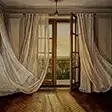
That is why she always keeps the large French window open.
Framton listens with growing pity. Then Mrs. Sappleton enters the room, cheerful and lively, and begins to talk about her husband and brothers as if they are still alive.
And then, through the open window, three figures slowly walk across the lawn.
『開いた窓』はサキ(Saki)が1911年に発表した短編小説です。サキは、ウィットに富んだ意外な結末で知られるイギリスの作家H・H・マンローのペンネームで、本作はその代表作のひとつです。
物語の主人公はフラムトン・ナットルという、心を休めるために田舎を訪れている神経質な男性です。
彼は姉から、土地の家庭への紹介状を何通か預かっていました。
サップルトン夫人の家を訪ねると、まずは15歳の姪のヴェラに迎え入れられます。
夫人を待つ間、ヴェラは奇妙で悲しい話を彼に語り始めます。
彼女が言うには、3年前、サップルトン夫人の夫と二人の若い兄弟は、湿原を越えて狩りに出かけました。彼らは戻ってこなかったのです。沼に呑まれてしまったのでした。
ヴェラは、おばが今でも彼らがいつか戻ってくると信じている、と説明します。
だから夫人は、いつも大きなフランス窓を開けたままにしているのだ、と。
フラムトンが哀れみを募らせていると、サップルトン夫人が部屋に入ってきます。明るく快活な様子で、夫と兄弟がまるで生きているかのように話し始めます。
そのとき、開いた窓の向こうから、3人の人影がゆっくりと芝生を横切って近づいてきました。
解説 2
The Niece's Ghost Story
In this part of the story, the young niece Vera tells Framton a sad family tale.
ここで、姪のヴェラがフラムトンに悲しい家族の話を聞かせます。
She says that three years ago, Mrs. Sappleton's husband and her two young brothers went out to hunt birds. They walked out through the same French window.
彼女が言うには、3年前、サップルトン夫人の夫と二人の若い兄弟は鳥撃ちに出かけました。彼らはこの同じフランス窓から外へと歩いていったのです。
But on that day, the ground was very dangerous. They sank into a bog and were never found.
しかしその日、地面はとても危険でした。彼らは沼に呑まれ、ついに見つからなかったのです。
Vera says her aunt cannot accept the truth. She still believes they will come home one day.
ヴェラは、おばがその真実を受け入れられないでいる、と話します。彼女は今でも、彼らがいつか帰ってくると信じているのです。
That is why she keeps the great window open every evening, waiting for them.
だから夫人は、毎晩あの大きな窓を開けたまま、彼らの帰りを待っているのです。
Framton feels great sympathy for the poor woman.
フラムトンは気の毒な夫人に深く同情します。
He thinks Vera is a kind and serious girl, and he believes every word of her story.
彼はヴェラを優しくて真面目な少女だと思い、彼女の話を一言も疑わずに信じます。
解説 3
The Returning Hunters
Soon Mrs. Sappleton enters the room. She is bright and cheerful, and apologizes for being late.
ほどなくサップルトン夫人が部屋に入ってきます。彼女は明るく快活な様子で、遅れたことを詫びます。
She says she is waiting for her husband and brothers to return from hunting.
彼女はフラムトンに、夫と兄弟が狩りから戻ってくるのを待っているのだ、と話します。
She tells Framton they will come back any minute through the window, just as they always do.
すぐにでもいつものように、あの窓を通って帰ってくるはずだ、と。
Framton listens with shock. He thinks the poor woman is living in a sad dream.
フラムトンは衝撃を受けながら聞きます。気の毒に、この夫人は悲しい夢の中に生きているのだ、と思うのです。
He tries to change the subject and talks about his own weak nerves.
彼は話題を変えようとして、自分の病気や弱った神経のことを語り始めます。
But Mrs. Sappleton hardly listens. Her eyes keep moving to the open window.
しかし、サップルトン夫人はほとんど耳を貸しません。彼女の目はずっと開いた窓の方へと向けられています。
Then suddenly, her face brightens with joy. "Here they are at last!" she cries.
そのとき突然、彼女の顔が喜びで輝きます。「ほら、やっと帰ってきた!」と彼女は叫びます。
Framton turns around. Through the window, he sees three figures walking across the lawn in the evening light.
フラムトンが振り向くと、開いた窓の向こうに、夕暮れの光のなか芝生を横切って歩いてくる3人の人影が見えました。
They carry guns, and a small dog runs beside them.
彼らは銃を手にし、その傍らには小さな犬が走っていました。
解説 4
Framton's Flight & the Twist
When Framton sees the three figures walking toward the window, he is filled with terror.
3人の人影が窓へと近づいてくるのを見て、フラムトンは恐怖に襲われます。
He believes they are ghosts, returning from the dead just as Vera said.
彼らはヴェラの話どおり、死から戻ってきた幽霊なのだと信じ込んでしまうのです。
Without saying a word, he grabs his hat and stick and runs out of the house in panic.
彼は一言も発さずに帽子と杖をつかみ、家から飛び出して逃げ出します。
He nearly knocks down a man on the road as he flees.
逃げる途中、道で男にぶつかりそうになるほどの慌てぶりでした。
Mrs. Sappleton's husband enters through the window, wondering who that strange man was.
そこへサップルトン夫人の夫が窓から入ってきて、今しがた飛び出していった奇妙な男は誰だったのかと尋ねます。
"A most extraordinary man," she says. "He could only talk about his illnesses, and dashed off without a word of goodbye."
夫人は答えます。「とても風変わりな方でしたよ。自分の病気のことばかり話して、お別れの挨拶もせずに駆け出していきました」。
Then comes the surprise. Vera calmly explains: she told Framton that her uncle was once chased by a pack of wild dogs in a graveyard, and now he is afraid of dogs forever.
そしていよいよ、どんでん返しが訪れます。ヴェラは平然と説明します。フラムトンには、おじはかつて墓場で野犬の群れに追われたことがあり、今でも犬を恐ろしく思っているのだ、と話したのだ、と。
But this story is also a lie. Vera made up everything from start to finish.
しかし、この話もまた嘘なのです。ヴェラはすべてを最初から最後までその場で作り上げていたのです。
The story ends with Saki's famous line: "Romance at short notice was her speciality."
物語はサキの有名な一文で締めくくられます——「即興のロマンス、それが彼女のお家芸だった」。
Vera is not a sad orphan but a brilliant young liar who creates fiction for her own amusement.
ヴェラは哀れな孤児ではなく、自らの楽しみのために物語を紡ぎ出す、見事な若き嘘つきだったのです。
後半:John と Cale の会話
会話 1
Talking About The Open Window
So I just finished reading The Open Window. Have you read it?
『開いた窓』を読み終えたよ。読んだことある?
Yeah, I read it years ago in school. Such a clever little story. Saki really knew how to surprise the reader.
うん、学校で何年か前に読んだよ。あんなに巧みな短編は珍しいよね。サキは読者を驚かせる方法を本当によく知っていた。
Right. I didn't see the ending coming at all. The whole time, I felt sorry for Mrs. Sappleton, thinking she'd lost her family.
そう。結末が全然読めなかった。最後までずっと、サップルトン夫人を気の毒に思っていたんだ。夫と兄弟を失ったんだと信じきって。
That's exactly what Vera wanted you to think. She's only fifteen, but she completely fools both Framton and us as readers.
それこそヴェラが思わせたかったことなんだ。彼女はたった15歳なのに、フラムトンも僕たち読者も完全に騙してしまう。
And the way Saki sets it up is so smooth. Vera asks a few simple questions and just makes up the whole tragedy on the spot.
サキの組み立て方が本当に滑らかなんだよね。ヴェラはいくつか簡単な質問をして、その場で悲劇全体を作り上げてしまう。
That's the trick. Saki gives us all the clues, but we miss them because Vera tells it so calmly. We trust her like a polite young lady.
それが手口なんだ。サキは手がかりをすべて与えているのに、ヴェラがあまりに落ち着いて語るから僕たちは見逃してしまう。礼儀正しいお嬢さんとして信じてしまうんだ。
And when those three men actually walk back through the window, I felt the same shock as Framton. I thought it really was a ghost story.
そして3人の男たちが本当に窓から戻ってきたとき、フラムトンと同じ衝撃を受けたよ。一瞬、本当に幽霊話だと思った。
That's the magic. Saki tricks us twice. First with the ghost story, then with that final line: "Romance at short notice was her speciality."
それが魔法なんだ。サキは僕たちを二度騙す。最初は幽霊話で、次にあの最後の一文で——「Romance at short notice was her speciality.」
Yeah, that last line is so good. It tells you everything about Vera in just one sentence.
そう、あの最後の一文は本当に見事だ。ヴェラについて知るべきことを、たった一文で全部伝えてしまう。
She isn't sad or sweet at all. She's a born storyteller, and she does it just for fun. There's something a little dark about that.
彼女は悲しい子でも優しい子でもまったくない。生まれながらのストーリーテラーで、ただ楽しみのためにそれをやっている。そこに少し暗いものを感じない?
Definitely. It's playful, but cruel too. Poor Framton was already nervous, and she just made it worse.
確かに。遊び心があるけれど、残酷でもある。フラムトンはもともと神経質だったのに、彼女はさらに追い詰めてしまった。
But that's the joke. He came for a "rest cure," and he ends up running away in terror. His whole visit is destroyed by a fifteen-year-old.
でもそれが笑いどころでもあるんだ。彼は「rest cure」のためにやって来たのに、恐怖に怯えて逃げ出すことになる。15歳の少女に、訪問の目的を全部ぶち壊されてしまう。
Saki really had a sharp sense of humor. Everyone takes themselves so seriously, and Vera just plays them all.
サキは本当に鋭いユーモア感覚を持っていた。物語の登場人物はみんな自分を真剣に受け止めすぎていて、ヴェラはそれを軽く弄ぶ。
And it's so short. Less than 1,500 words. But it stays with you. The image of that open window is hard to forget.
それに、これだけ短い物語なんだ。1500語にも満たない。でも記憶に残る。あの開いた窓の情景は忘れられない。
Same here. I keep thinking about how the window becomes a symbol. It's open for the dead, but really it's just a window. Vera fills it with meaning out of nothing.
同感だ。あの窓自体が象徴になっていく構造を考え続けてしまう。死者が戻るために開いている、と語られているけれど、本当はただの窓なんだ。ヴェラが無から意味を吹き込んでいる。
Exactly. That's the whole story. A good storyteller turns an ordinary thing into something magical. Vera's gift is also Saki's gift.
そう。それがある意味、物語全体のテーマなんだ。優れたストーリーテラーは、ありふれたものを恐ろしくも魔法のようにも変えてしまう。ヴェラの才能は、サキ自身の才能でもある。
会話 2
The Niece's Made-Up Story
You know what amazes me about The Open Window? Vera makes up that whole ghost story in just a few minutes.
『開いた窓』で僕が驚いたのは、ヴェラがあの幽霊話を全部、ほんの数分で作り上げてしまうところだ。
I know, right? She's only fifteen, but she's already a master at it. Watch how carefully she sets it up.
そうだよね? 彼女はまだ15歳なのに、もう達人だよ。注意深く準備していく様子をよく見るといい。
First she asks Framton if he knows her aunt at all. Once she knows the answer is no, she has a blank canvas to paint anything she wants.
まず彼女はフラムトンに、おばと面識があるか尋ねる。答えが「ない」だと分かった瞬間、彼女には何でも描ける真っ白なキャンバスが手に入るんだ。
Exactly. If Framton had known the family, the whole trick would fall apart. So she checks first, then commits to the lie.
そう。もしフラムトンが家族を知っていたら、嘘は全部崩れてしまう。だから彼女はまず確認して、それから嘘に踏み切る。
And the details she invents are perfect. Three years ago, on a quiet October day, the husband and brothers walking out through that very window.
そして彼女が作り上げる細部が完璧なんだ。3年前、10月の静かな日に、夫と兄弟がまさにあの窓から出ていったという話。
She uses real things from the room to make the story feel true. The window is open right there. Three men's coats are probably hanging by the door.
部屋にある実物を使って、話を本物っぽく見せている。窓は目の前で開いているし、男たちのコートはおそらく玄関にかかっている。
That's clever. She doesn't make up things in the air. She builds her lie around things Framton can see for himself.
巧妙だね。彼女は空想だけで作るんじゃなく、フラムトン自身の目に見えるものを土台にして嘘を組み立てている。
And she gives the story emotional weight. The aunt waiting every evening, hoping they'll return. It's heartbreaking, so Framton doesn't question it.
さらに話に感情の重みを与えている。おばが毎晩、彼らの帰りを待っているという設定。胸が痛むから、フラムトンは疑う気にすらならない。
That detail about the husband singing "Bertie, why do you bound?" is brilliant too. It's so specific that it must be true.
あの夫が「Bertie, why do you bound?」を歌っていたという細部も見事だ。あまりに具体的で、本当としか思えない。
Specific details are the trick of every good liar. Vague stories sound suspicious. Detailed stories feel real.
具体的な細部こそ優れた嘘つきの手口なんだ。漠然とした話は怪しく聞こえる。細かい話は本物に感じられる。
And her face! Saki tells us she stares at the window with horror, just before the men appear. She times her acting perfectly.
それから彼女の表情! サキは、男たちが現れる直前に彼女が恐怖の表情で窓を見つめると書いている。演技のタイミングが完璧なんだ。
That's the most amazing part. She doesn't just tell the lie, she performs it. She becomes the niece in the story she invented.
そこが一番すごいところだ。彼女は嘘を語るだけじゃなく、嘘を演じている。自分が作り上げた物語の中の姪になりきってしまう。
No wonder Framton runs out screaming. Even we as readers fall for it on the first read.
フラムトンが叫びながら逃げ出すのも無理はない。読者の僕たちでさえ最初は信じてしまうんだから。
And the second lie at the end, about the dogs in the graveyard, comes just as smoothly. She doesn't even pause.
そして最後の二つ目の嘘——墓場の犬の話——も同じくらい滑らかに出てくる。一呼吸も置かない。
It's almost scary how good she is. Most adults can't lie like that.
あれだけ嘘がうまいというのは、ほとんど怖いほどだよ。大半の大人にはあんな嘘はつけない。
Saki understood something about young people. They can be more imaginative and more ruthless than grown-ups suspect.
サキは若者について何かを理解していたんだ。若者というのは、大人が想像する以上に想像力豊かで、容赦ないことがある。
会話 3
Framton's Nervous Breakdown
Let's talk about poor Framton Nuttel. The whole reason he came to the country was to calm his nerves.
気の毒なフラムトン・ナットルの話をしよう。彼が田舎にやって来た理由はそもそも、神経を休めるためだった。
Right, his doctor sent him for a "rest cure." That was a real Victorian and Edwardian idea. Quiet country life, fresh air, peaceful visits with neighbors.
そう、医者に「rest cure」のために送られてきた。ヴィクトリア朝〜エドワード朝に流行った考え方だね。静かな田舎暮らし、新鮮な空気、近所との穏やかな交流。
And Framton clearly takes it seriously. His sister even gives him letters of introduction so he won't be lonely. He's doing everything he can to relax.
フラムトンはそれを真面目に受け止めている。お姉さんが寂しくないように紹介状まで持たせてくれた。彼はリラックスするために、できる限りのことをしている。
But he's still anxious from the very first scene. He doesn't really want to visit Mrs. Sappleton. He just feels he has to, out of politeness.
でも彼は最初の場面からすでに不安そうなんだ。本当はサップルトン夫人を訪ねたくない。礼儀のために仕方なく行っているだけ。
You can tell he's the kind of person who worries about everything. He even calls his condition "a most extraordinary case."
何でも心配してしまうタイプの人なんだろうな。自分の症状を「a most extraordinary case」と呼ぶほどなんだから。
He talks about himself constantly. When Mrs. Sappleton enters, he starts listing his illnesses and his weak nerves. He hardly listens to her at all.
彼は始終自分のことばかり話している。サップルトン夫人が部屋に入ってくると、自分の病気や弱った神経を並べ立て始める。夫人の話はほとんど聞いていない。
That's actually one of the funniest parts. While he's going on about his health, she's looking past him at the window, waiting for the hunters to return.
そこが実は一番おかしい部分でもある。彼が健康のことをまくし立てている間、夫人は窓の方を見ながら、狩人たちが戻ってくるのを待っているんだから。
Saki sets up a perfect contrast there. Framton is trapped inside his own anxiety. Mrs. Sappleton is somewhere completely different.
サキはここで完璧な対比を作っている。フラムトンは自分の不安に閉じこもっている。サップルトン夫人はまったく別の場所にいる。
And then the absolute worst thing happens to him. The thing he was sent to the country to escape from arrives in the form of three "ghosts."
そして、彼にとって最悪のことが起こる。田舎に来て逃げたかったはずのものが、3人の「幽霊」という形で現れてしまうんだ。
Right. He came to cure his nerves, and instead he gets the biggest shock of his life. The cure makes him worse, not better.
そうなんだ。神経を治しに来たのに、人生最大級のショックを受けて帰ることになる。治療がむしろ悪化させてしまう。
That's the dark joke of the story. The country isn't a peaceful place at all. It's full of practical jokers like Vera.
それがこの物語の暗い笑いどころなんだ。田舎は穏やかな場所なんかじゃない。ヴェラのような悪戯好きが潜んでいる。
And Framton runs into a "cyclist" on the road as he flees. Even the escape isn't smooth. Saki doesn't let him have any peace.
フラムトンは逃げる途中で道で「cyclist」にぶつかりそうになる。逃走すらスムーズにいかない。サキは彼に一切の安らぎを与えない。
I almost feel bad for him. He's not a bad person, just a worried one. He didn't deserve all this.
同情しそうになるよ。悪い人ではない、ただ心配性なだけ。これだけの目に遭うほどではない。
But that's the point. Saki has no sympathy for people like Framton. He thought self-absorbed worriers were ridiculous.
でもそこが要点なんだ。サキはフラムトンのような人物に同情しない。自己中心的な心配性の人間は滑稽だと考えていた。
So in a way, Vera and Saki are doing the same thing. Both of them mock Framton's nervousness in their own way.
つまりある意味、ヴェラとサキは同じことをしているんだ。二人とも自分なりのやり方でフラムトンの神経質さを嘲笑している。
Exactly. The author and the character are working together. Vera is a young version of Saki himself, playing tricks on a serious adult.
そう。作者と登場人物が一緒になって動いている。ヴェラは若い頃のサキ自身だ——真面目な大人をからかう、若い悪戯っ子なんだ。
会話 4
The Twist & Saki's Speciality
Let's talk about the ending. That last line is one of the most famous in English short stories: "Romance at short notice was her speciality."
結末について話そう。あの最後の一文は英語の短編小説の中でもっとも有名な一文の一つだ——「Romance at short notice was her speciality.」
It's such a small sentence, but it does so much work. In one line, Saki tells us everything about Vera and changes the whole meaning of the story.
とても短い文なのに、すごい仕事をしている。この一文だけで、サキはヴェラについて全てを語り、物語全体の意味を変えてしまう。
Right. Up until that point, you might still feel a little sympathy for her. Maybe she really is a sad orphan with too much imagination.
そう。そこまでは、ヴェラに少し同情していたかもしれない。本当に想像力が豊かすぎる、悲しい孤児なのかもしれないと。
But that final line takes all that away. It tells us this is normal for her. Making up stories on the spot is just what she does.
でもあの最後の一行がそれを全部消してしまう。これは彼女にとって日常のことなんだと教えてくれる。即興で物語を作るのは、彼女がいつもしていることなんだ、と。
And the word "speciality" is so perfect. It treats lying like a craft, like a skill she has practiced and mastered.
そして「speciality」という単語が完璧なんだ。嘘を技芸のように、磨き上げて極めた技能のように扱っている。
"Romance" here is interesting too. In Edwardian English, romance didn't just mean love stories. It meant adventure tales, fanciful inventions, things that aren't quite real.
ここでの「romance」も興味深い。エドワード朝の英語では、ロマンスは恋愛物語だけを指すんじゃなくて、冒険譚や空想的な作り話、現実ではない何かを意味していた。
So Vera is being called a kind of artist. She invents fictions for an audience of one, just to see what happens.
つまりヴェラは一種の芸術家として描かれているわけだ。観客一人のために即興で虚構を作り上げる、何が起こるかただ確かめるために。
Exactly. And that's why this story is so loved. Saki could have just written a simple ghost story. But by adding that final line, he turns it into something much smarter.
そう。だからこの物語が愛されているんだ。サキは単純な幽霊話を書くこともできた。でもあの最後の一文を加えることで、もっとずっと賢い物語に仕立て上げた。
The story isn't really about ghosts at all. It's about the power of stories themselves. How a good liar can make us see things that aren't there.
この物語は本当は幽霊についての話じゃない。物語そのものの力についての話なんだ。優れた嘘つきが、存在しないものを見せてしまう力について。
And the structure is perfect for that lesson. We the readers fall for Vera's lie just like Framton does. We only learn the truth at the very end.
そして構造もその主題に完璧に合っている。読者の僕たちもフラムトンと同じくヴェラの嘘に騙される。最後の最後で初めて真実を知るんだ。
That's the surprise ending Saki is famous for. He pulls the rug out from under you with one sentence.
それがサキで有名な「surprise ending」だ。一文で読者の足元の絨毯を引き抜いてしまう。
He learned a lot from O. Henry, who used the same trick. But Saki's endings have more bite. They're sharper, less sentimental.
サキはO・ヘンリーから多くを学んだ。同じ手法を使ったんだ。でもサキの結末はもっと辛辣だ。鋭くて、感傷的じゃない。
And he was only forty-five when he died in World War I. Imagine the stories we never got to read.
第一次世界大戦で戦死したとき、彼はたった45歳だった。読めなかった作品がどれだけあったかと思うと残念だね。
Yeah, he was just hitting his stride. But what we have is enough to make him one of the greatest short story writers in English.
そう、まさに脂が乗ってきた頃だった。それでも残された作品だけで、彼は英語の短編作家の中で最も偉大な一人だ。
After reading The Open Window, I want to read more of his work. Where should I start?
『開いた窓』を読んだら、彼の他の作品も読みたくなった。何から始めればいい?
Try "Tobermory" or "Sredni Vashtar" next. They're just as sharp, but darker. Saki had a real taste for cruelty in his fiction.
次は「Tobermory」か「Sredni Vashtar」を試してみるといい。同じくらい鋭いけれど、もっと暗い。サキは小説の中の残酷さに本物の趣味を持っていた。
