
Digest · Part 3 of 3 · Lower-intermediate · JLPT N4–N3 · 15 min

竹取物語

The Tale of the Bamboo Cutter, Part 3

Anonymous (作者不詳) · c. 10th century

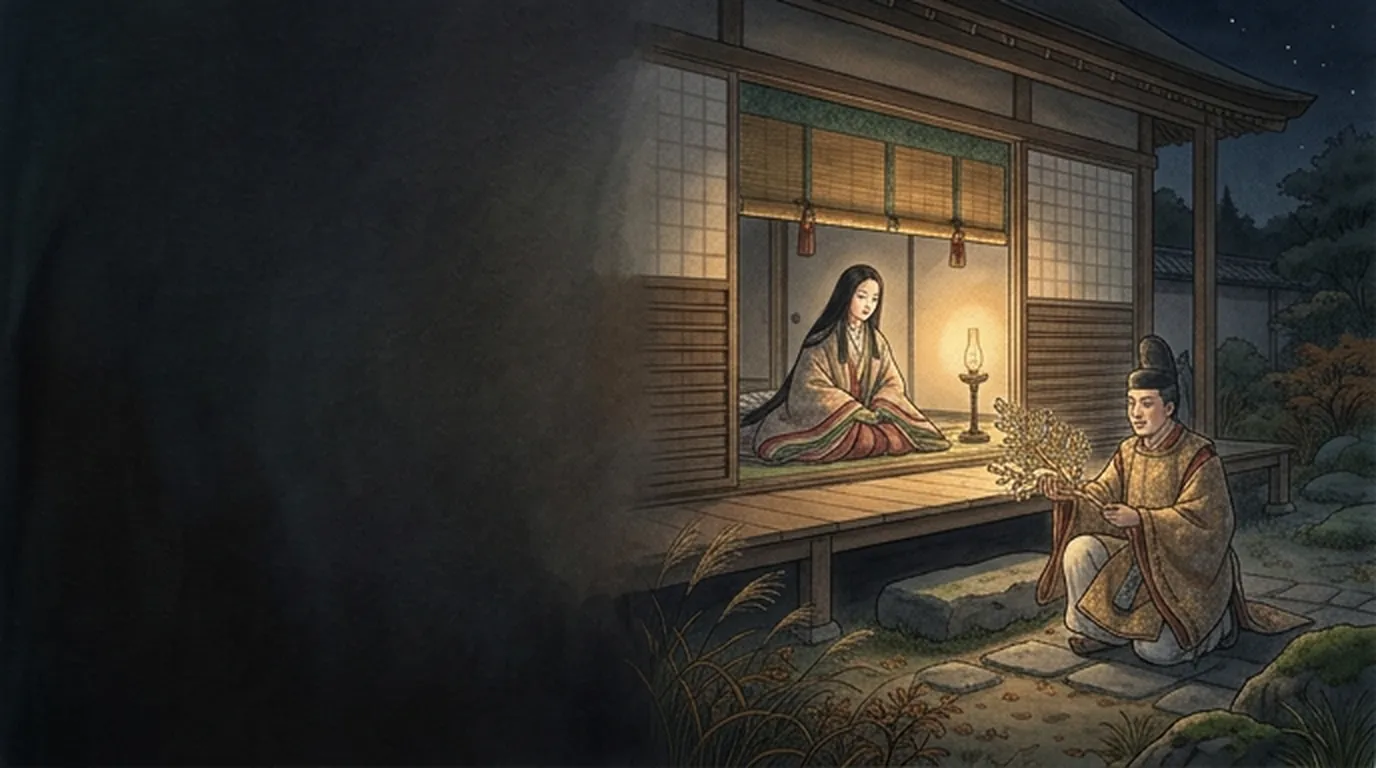
The Emperor himself falls for Kaguya-hime, but on the night of the full moon her people come to take her home.

作品について

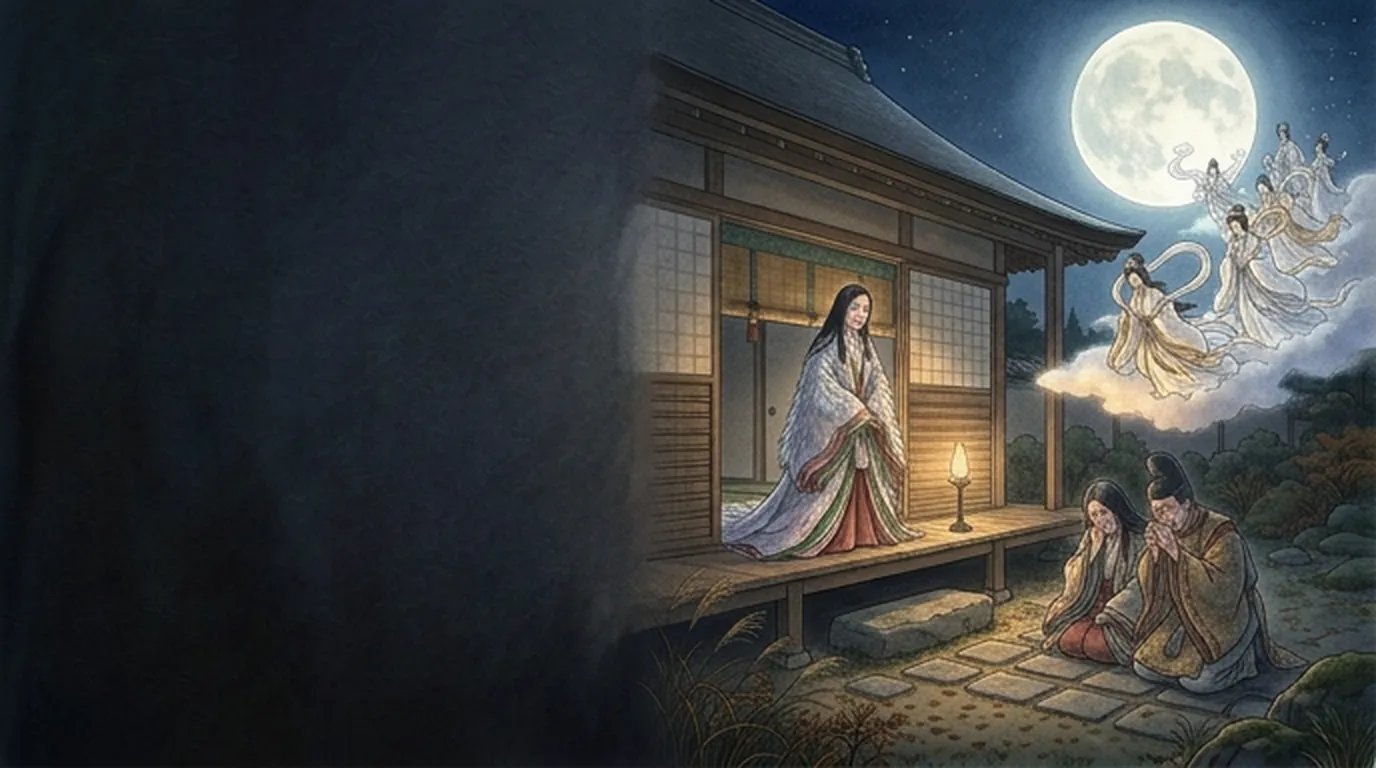
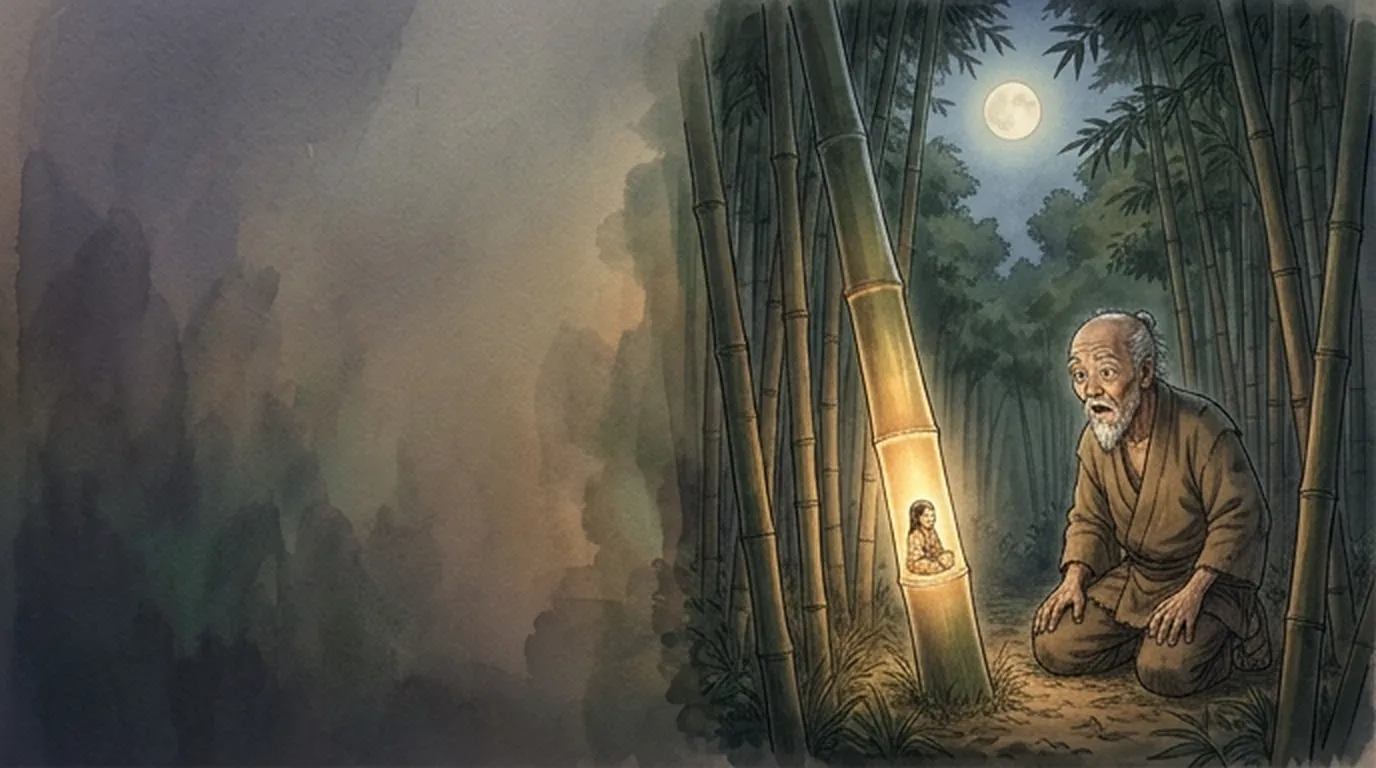
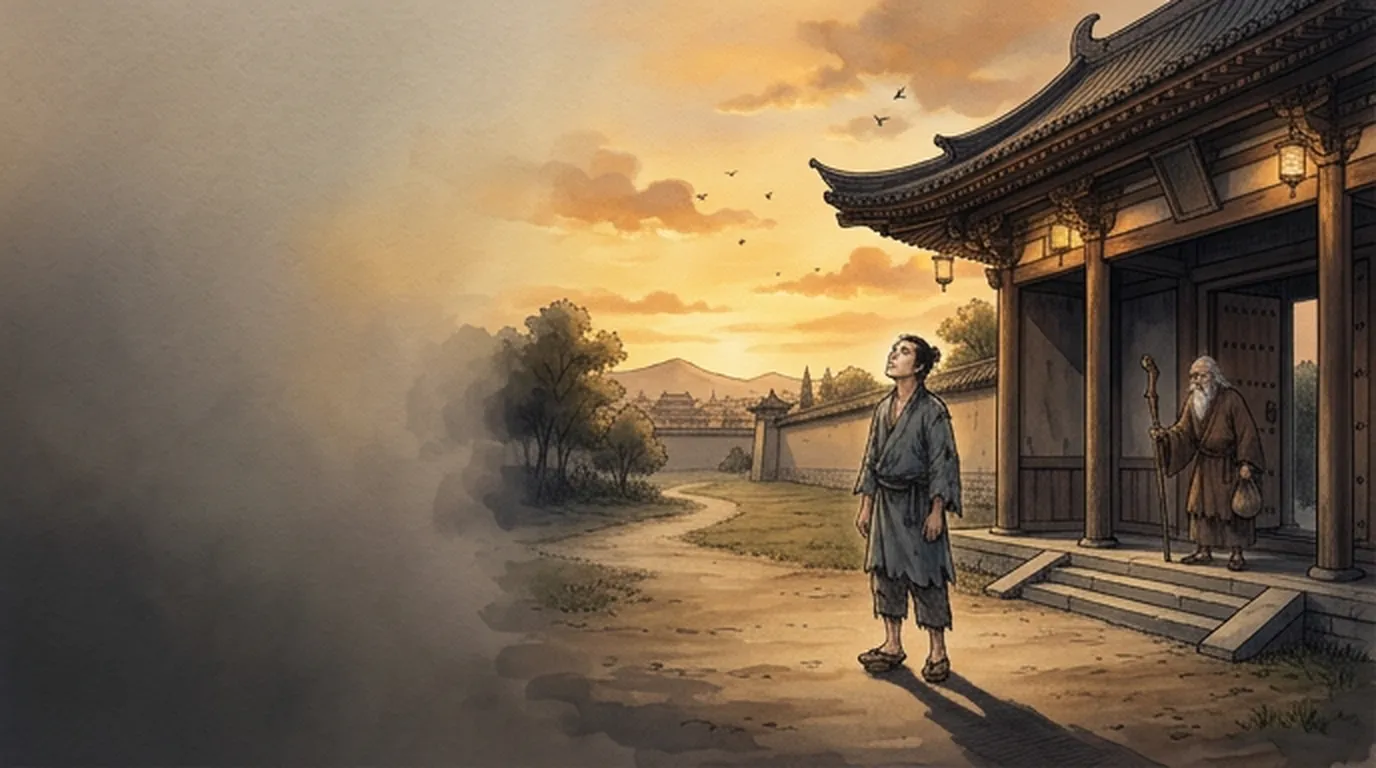
Part 3 is the end of The Tale of the Bamboo Cutter: the Emperor, the night of the full moon, and the smoke over Mount Fuji. After the comedy of Part 2, the mood changes. Kaguya-hime, who felt only "a little sorry" for a dying suitor, now weeps at the moon and cannot bear to leave the old couple. The people of the moon never grow old and never worry, and they call the human world an unclean place. The story leaves you to decide which world is the better one. Two things are never explained: what Kaguya-hime did wrong to be sent to earth, and what she felt after the robe of heaven took her feelings away. The tale closes with one last play on words. Soldiers (士) climbed the mountain in great numbers (富む), which gives 富士, Fuji, and the drug they burned there was the drug of 不死 (fushi), "never dying." In the centuries when the tale was written, Mount Fuji erupted several times, so its first readers may really have seen smoke rising from the top. As in Parts 1 and 2, this is our own retelling in easy modern Japanese, with furigana on every kanji and grammar around JLPT N4 to N3. If you have not read Parts 1 and 2 yet, start there.

Digest · Part 3 of 3

Contents

Read · Discover · Enjoy.

📖
Reading

Read the story retold in easy Japanese, with furigana on every kanji. Tap any word to see an easy English meaning without leaving the story.

📚
Idioms & Expressions

Idioms, sound words, old-style expressions and similes from the story. Filter by type and check each one in its sentence.

✍️
Grammar Patterns

Grammar patterns used in the story, with examples from the text. Filter by (estimated) JLPT level.

📝
Blog

Articles about the story's background, its author and its expressions (1 article).

📜
About this digest

This is our own retelling of 竹取物語, a public-domain classic, in easy modern Japanese. It follows the original story, but the words are ours.