


Blog · Buying Mittens
Buying Mittens (2): 4 Expressions
This is Part 2 of our series on Buying Mittens. In Part 1, the mother fox turned one of her cub's paws into a human hand, and told him never to hold out the other one.
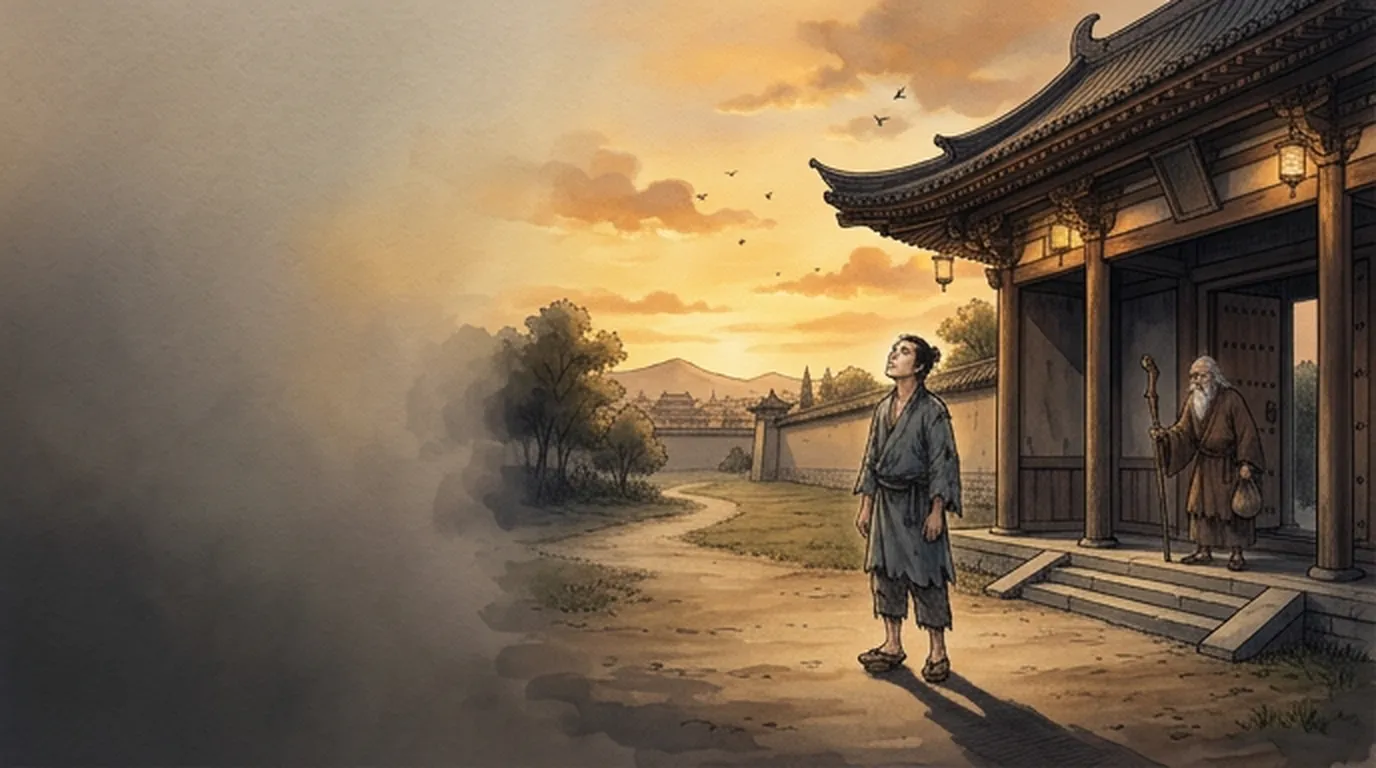
Now the cub sets off across the snow, alone, toward the lights of the town.
1. よちよち — with small, unsteady steps
よちよち is the way a baby walks when it has just learned how: small steps, not very steady.
子供の狐は、町の灯を目あてに、雪あかりの野原をよちよちやって行きました。
The fox cub toddled off across the snow-lit field, heading for the lights of the town.
Two more useful words are in this sentence. 〜を目あてに means "using ... as a guide." 雪あかり is the pale light that snow gives off at night. As he walks, one light becomes two, then three, then ten.
Today:
- 赤ちゃんが、よちよち歩きはじめた。
The baby has started to toddle. - ペンギンが、氷の上をよちよち歩いている。
A penguin is waddling across the ice.
Tip: Japanese has many words for ways of walking: すたすた (briskly), とぼとぼ (slowly and sadly), ぶらぶら (with no hurry and no goal).
2. 〜通り(とおり)— just as ...
Verb た-form+通り means "exactly the way (someone said, showed or planned)."
子狐は教えられた通り、トントンと戸を叩きました。
Just as he had been told, the cub knocked on the door, knock-knock.
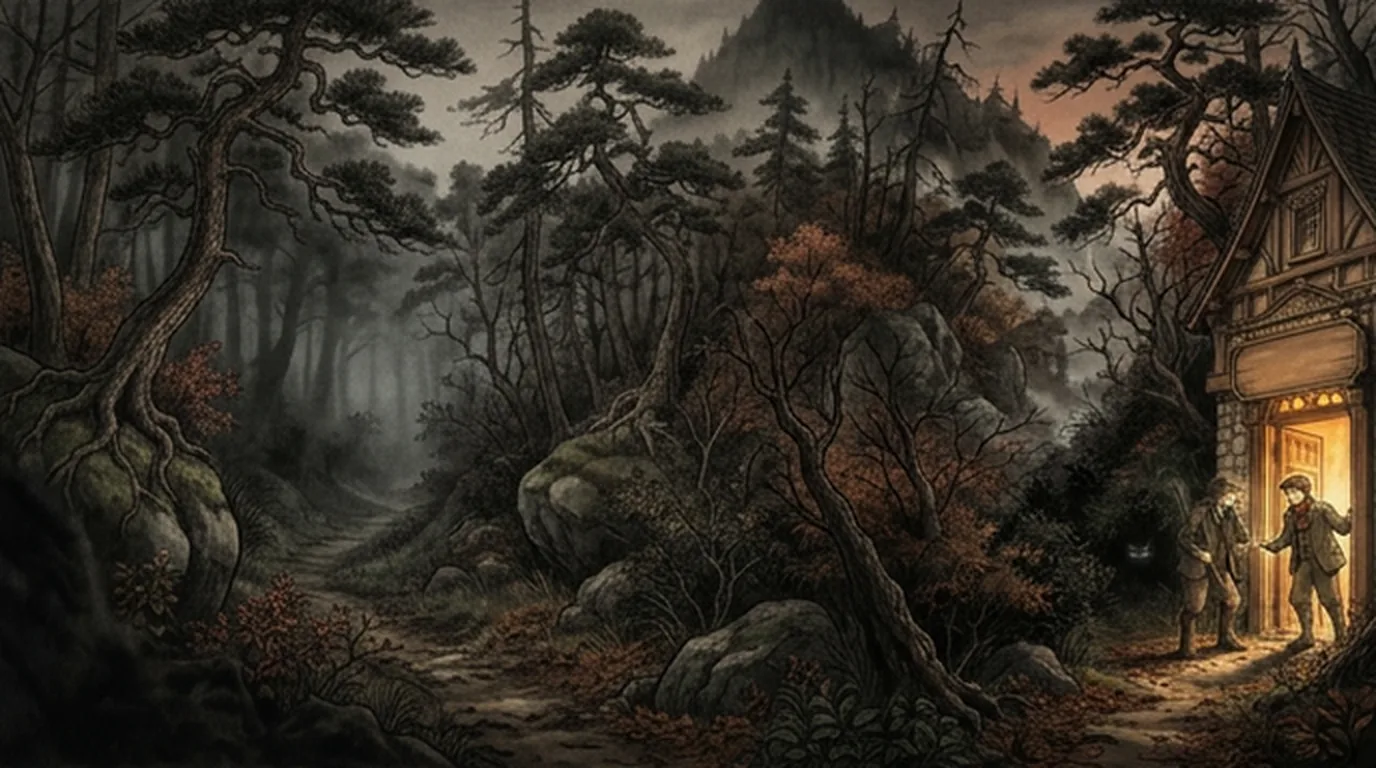
The cub has found the sign his mother described: a big black top hat, lit by a blue electric light. 教えられた is the passive of 教える: "was told." So far he is doing everything right.
Today:
- 先生が言った通りに、やってみてください。
Please try doing it just as the teacher said. - 天気予報の通り、午後から雨になった。
Just as the forecast said, it started to rain in the afternoon.
Tip: Right after a noun, without の, it is read どおり: 予定どおり (as planned), 時間どおり (on time).
3. めんくらう — to be thrown into confusion
めんくらう(面食らう)means that something sudden surprises you so much that you do not know what to do.
子狐はその光がまばゆかったので、めんくらって、まちがった方の手を、――お母さまが出しちゃいけないと言ってよく聞かせた方の手をすきまからさしこんでしまいました。
The light was so dazzling that the cub lost his head, and he put the wrong hand, the very hand his mother had told him so carefully not to put out, in through the gap.
The door opens only a little, and a band of light falls across the snow. まばゆい means "dazzling." The sentence ends in 〜てしまいました: the mistake is made, and it cannot be undone.
Today:
- 急に英語で話しかけられて、めんくらった。
Someone suddenly spoke to me in English, and I was thrown. - 思ったより高くて、めんくらってしまった。
It cost more than I had expected, and I was taken aback.
Tip: びっくりする is simply "to be surprised." めんくらう adds "and I didn't know what to do."
4. 木の葉(このは)— leaves, and fox money
木の葉 means "the leaves of a tree." But why does the hatter think of leaves?
これはきっと木の葉で買いに来たんだなと思いました。
"He must have come to buy them with tree leaves," he thought.
In old Japanese tales, foxes and tanuki (raccoon dogs) use magic to make leaves look like money. Later the money turns back into leaves. So the hatter asks for the money first, and knocks the two coins together. They ring: チンチン. It is real money, and he hands a pair of children's mittens to a fox.
Today:
- 秋になると、木の葉が赤や黄色に変わる。
In autumn, the leaves turn red and yellow. - 風がふいて、木の葉がたくさん落ちた。
The wind blew, and many leaves fell.
Tip: きっと〜んだな is a confident guess: "that must be it." きっと雨がふるんだな — "it must be going to rain."
Read it in the story
In Part 3, the cub stops beneath a window on his way home, and his mother asks the question that the story is famous for.