Blog · Buying Mittens
Buying Mittens (1): 4 Expressions
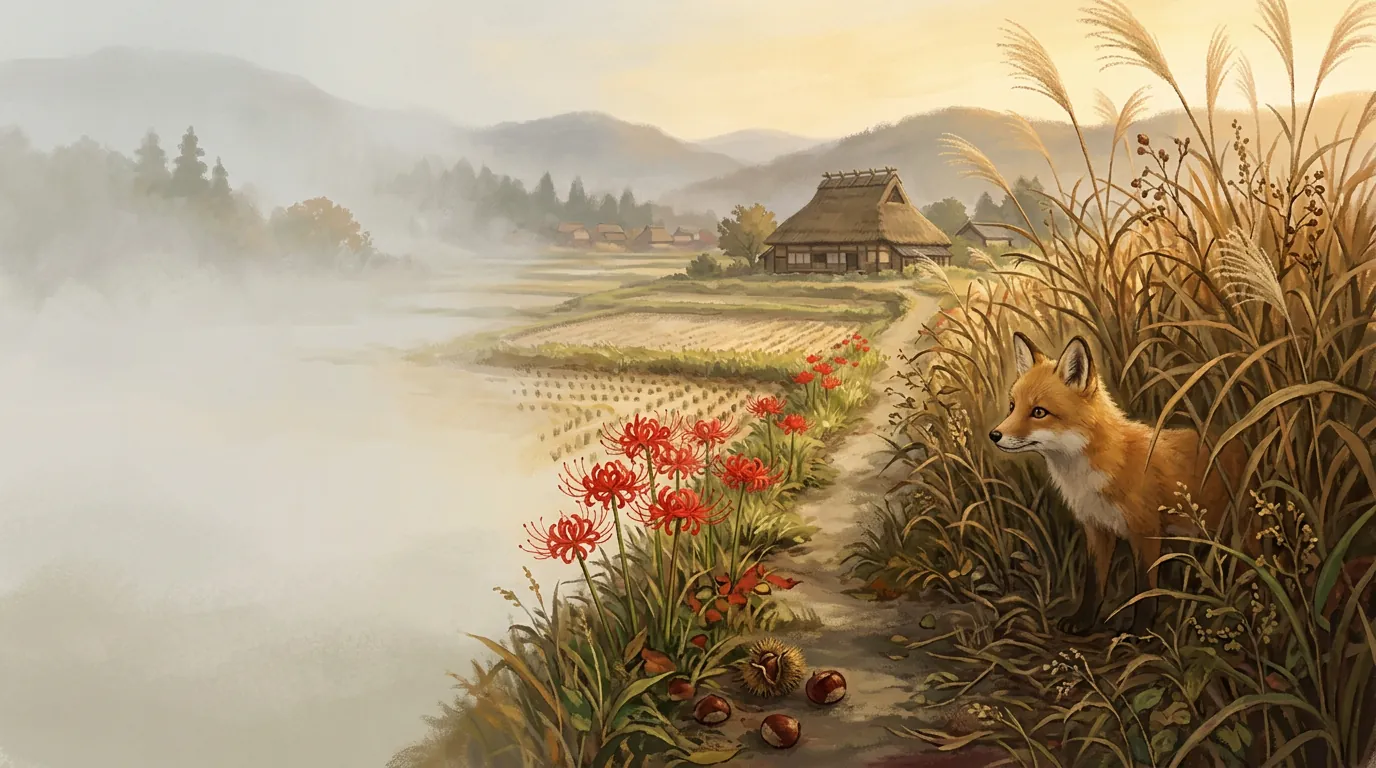
Buying Mittens(手袋を買いに)is our second story by Niimi Nankichi, after Gon, the Little Fox. It is another fox story, but a shorter and gentler one: a fox cub goes to a human town, alone, to buy mittens on a snowy night.
Much of the story is a mother talking with her small child, so it is full of the Japanese that parents and children really use. This week we read it in three parts. Part 1: the first snow, and a mother's plan.
1. お手々(おてて)— a child's word for "hands"
Japanese has special words that adults use with small children, and that small children use themselves. お手々 is one of them. It means 手, "hands."
「お母ちゃん、お手々が冷たい、お手々がちんちんする」
"Mommy, my hands are cold, my hands are stinging."
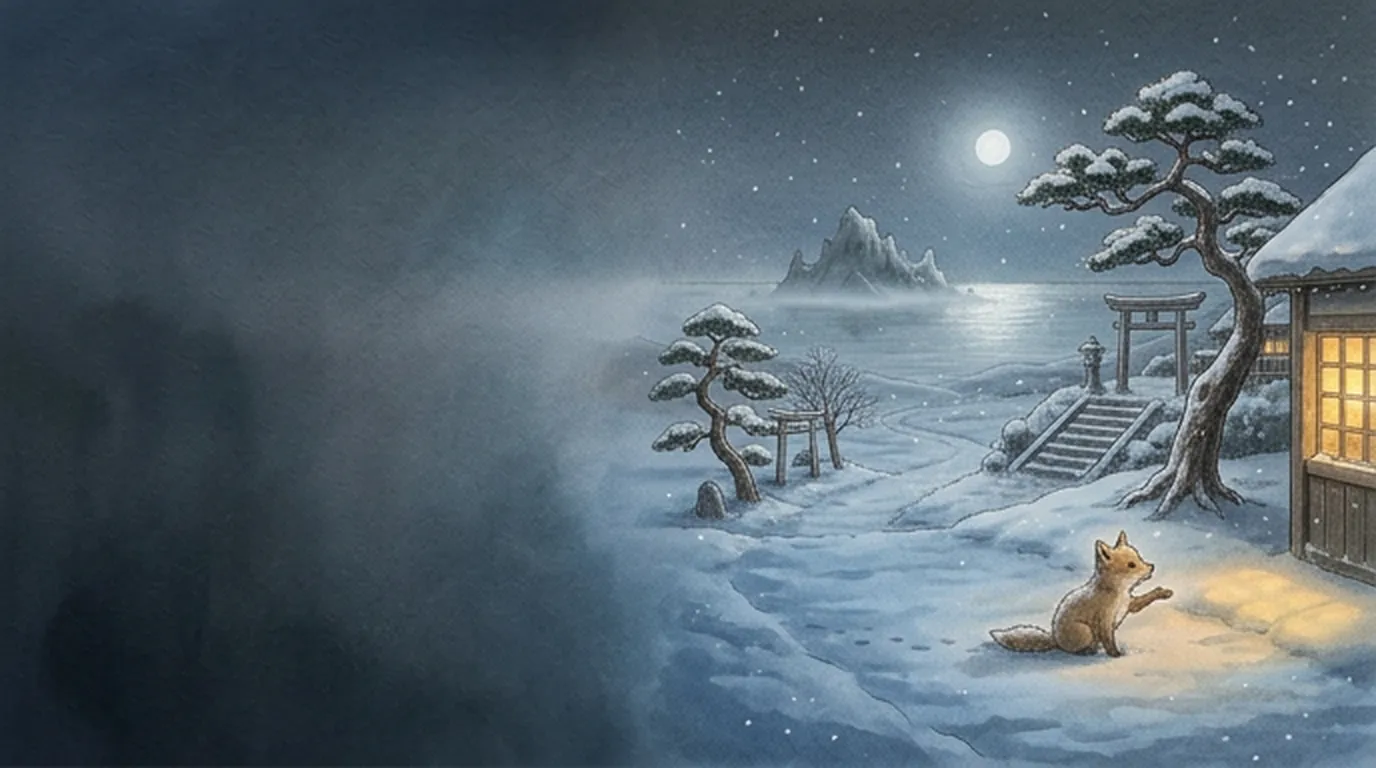
The cub has been playing in the snow for the first time in his life. ちんちんする is another child's word: here it means that his hands sting from the cold. His mother breathes on them and wraps them in her own warm hands.
Today:
- さあ、ごはんの前にお手々を洗おうね。
Now, let's wash our hands before we eat. (to a small child) - 赤ちゃんのお手々は、小さくてかわいい。
A baby's hands are small and sweet.
Tip: There are more words like this: ねんね (sleep), あんよ (feet), おめめ (eyes). Use them only with small children. The story has ねんね too, near the end.
2. 〜ては — if ... (and that would be bad)
Verb て-form+は, followed by something unwanted, means "if that happened, it would be bad."
かあいい坊やの手に霜焼ができてはかわいそうだから、夜になったら、町まで行って、坊やのお手々にあうような毛糸の手袋を買ってやろうと思いました。
It would be a pity if her dear boy's hands got chilblains, so she decided that when night came she would go to town and buy woolen mittens to fit his little hands.
霜焼(しもやけ)is the red, itchy swelling that fingers and toes get from the cold. かあいい is an older, soft way to say かわいい. This one sentence is the reason for the whole story.
Today:
- かぜをひいては困るから、早く寝よう。
It would be a problem if I caught a cold, so I'll go to bed early. - 忘れてはいけないので、メモを書いた。
I mustn't forget, so I wrote a note.
Tip: 〜てはいけない ("must not") is the same pattern: "if you do it, that is no good."
3. 足がすくむ(あしがすくむ)— to freeze with fear
すくむ means "to shrink." When your legs すくむ, you are so afraid that you cannot move.
「あれはお星さまじゃないのよ」と言って、その時母さん狐の足はすくんでしまいました。
"That is not a star," she said, and at that moment the mother fox's legs froze.
The cub thinks the light ahead is a fallen star. It is the light of the town. The mother fox remembers the time a friend tried to steal a duck there. A farmer chased them, and they escaped 命からがら, "barely alive." Now she cannot make her legs go forward: 足がすすまない.
Today:
- 高い橋の上で、足がすくんでしまった。
On the high bridge, my legs froze. - 大勢の人の前に立つと、足がすくむ。
When I stand in front of a lot of people, I freeze.
Tip: Japanese often lets a body part do the feeling: 足がすくむ (fear), 胸がいっぱいになる (strong feeling), 頭に来る (anger).
4. 〜ちゃいけない — you must not ...
〜ちゃ is the spoken form of 〜ては. So 出しちゃいけない is 出してはいけない: "you must not put it out."
「決して、こっちの手を出しちゃいけないよ、こっちの方、ほら人間の手の方をさしだすんだよ」
"You must never put out this hand. This one, see, hold out the human hand."
Too afraid to go herself, the mother fox turns one of her cub's paws into a human child's hand. He is to knock at the hat shop, put that hand through the gap in the door, and ask for mittens. 決して with a negative means "never." A moment earlier she said the same thing with 出しちゃ駄目よ.
Today:
- ろうかを走っちゃいけないよ。
You mustn't run in the hallway. - まだ食べちゃだめ。みんなが来るまで待って。
Don't eat yet. Wait until everyone comes.
Tip: When the て-form ends in で, 〜では becomes 〜じゃ: 飲んじゃいけない, 遊んじゃだめ.
Read it in the story
In Part 2, the cub walks to the town alone, with two coins in his human hand.