
Blog · Momotaro
Momotaro (2): 4 Expressions
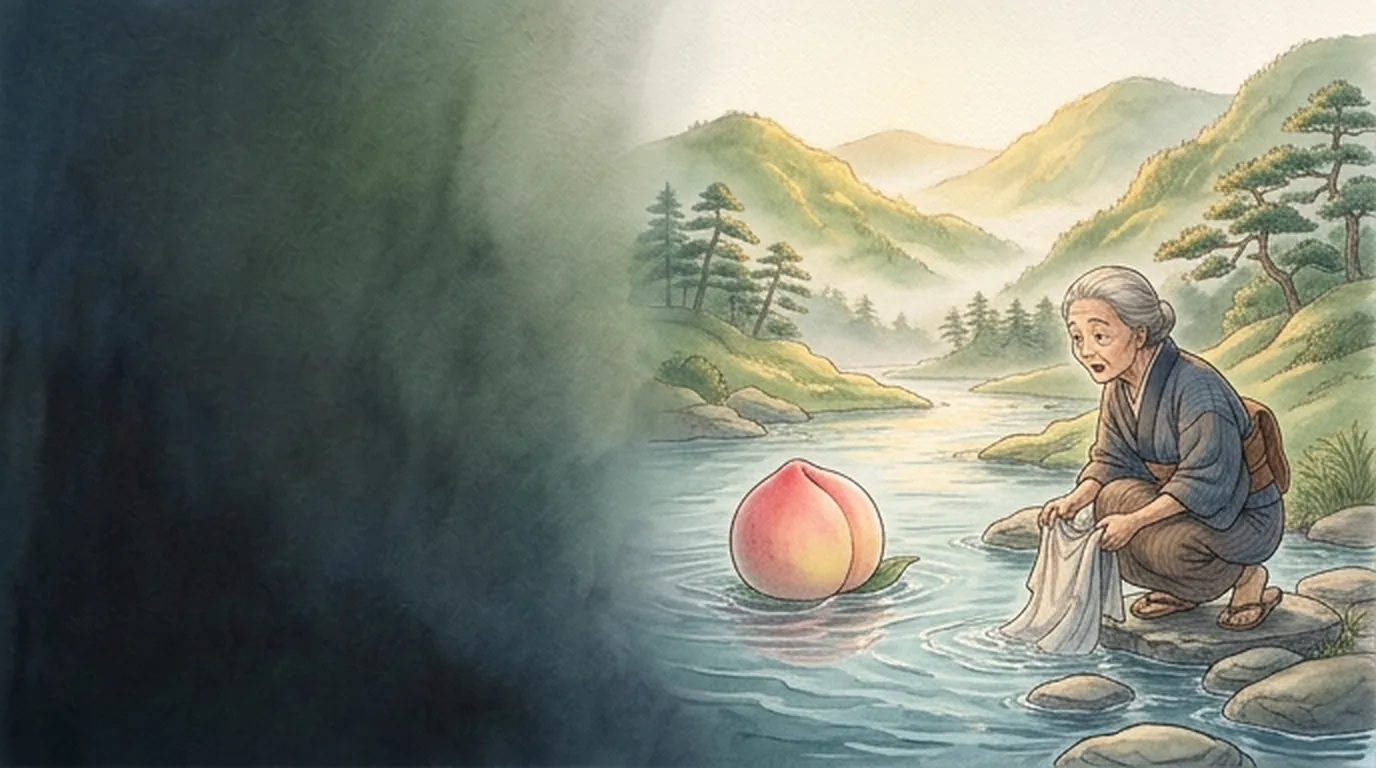
This is the second article on Momotaro. In the last article, a boy jumped out of a peach and grew up to be the strongest, kindest boy in the village.
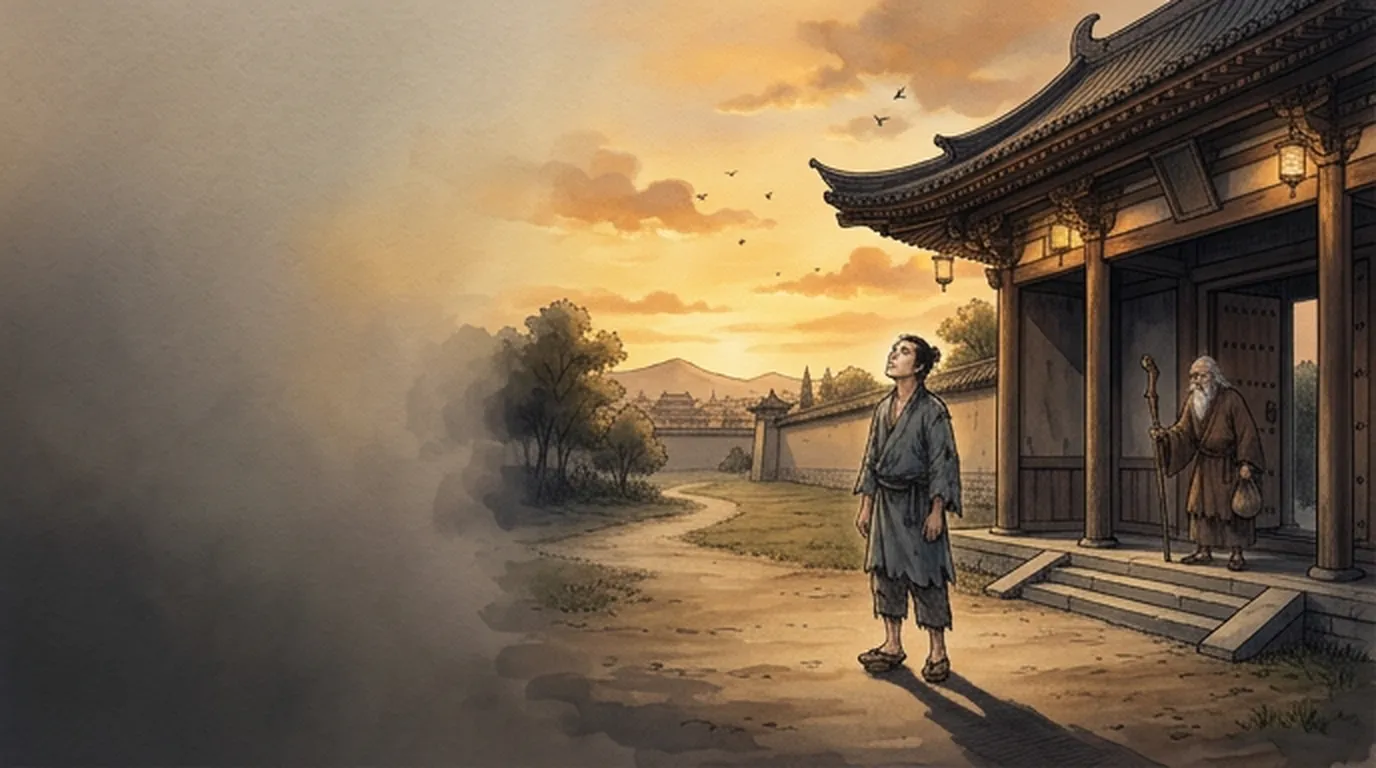
Now he is fifteen. A traveler tells him about Onigashima, an island where demons guard stolen treasure, and he cannot sit still.
1. 〜たくてたまらない — to want to ... so much you can't stand it
〜てたまらない means a feeling is too strong to bear. With 〜たい (want to), it becomes 〜たくてたまらない.
この話を聞くと、桃太郎は、鬼が島へ行きたくてたまらなくなりました。
When he heard this, Momotarō could hardly bear how much he wanted to go to Onigashima.
Look at what the story does not say. The demons have not come to his village. Momotarō has only heard a traveler's story, and that is enough.
Today:
- のどがかわいて、水が飲みたくてたまらない。
I'm so thirsty I'm dying for some water. - 国の家族に会いたくてたまらない。
I miss my family back home so much I can't stand it.
Tip: It works with feelings and body states too: 眠くてたまらない(I'm unbearably sleepy), 心配でたまらない(I'm worried sick).
2. 行っておいで — off you go
〜ておいで is a gentle order: "go and do it (and come back)." Parents say it to children.
「ほう、それはいさましいことだ。じゃあ行っておいで。」
"Oh, that is a brave thing to do. Well then, off you go."
The old man does not try to stop him. The old woman makes きびだんご, millet dumplings, for the journey, and the two of them stand at the gate to see him off. Momotarō answers with a very polite 行ってまいります.
Today:
- 外で遊んでおいで。
Go and play outside. - ごはんの前に、手を洗っておいで。
Go and wash your hands before dinner.
Tip: Don't say 〜ておいで to someone older than you. To anyone leaving home, the usual phrase is 行ってらっしゃい.
3. 日本一(にっぽんいち)— the best in Japan
Place+一 means "number one in that place." 日本一 is "the best in Japan."
「腰に下げたものは何ですか。」「日本一のきびだんごさ。」
"What is that hanging from your waist?" "The best millet dumplings in Japan."
The dog, the monkey and the pheasant all ask the same two questions and get the same answers. Each one receives a single dumpling and joins him. Folk tales were told aloud, and this kind of repetition made them easy to follow and to remember. It also makes them good reading practice.
Today:
- 富士山は、日本一高い山だ。
Mt. Fuji is the highest mountain in Japan. - 母のカレーは、世界一おいしい。
My mother's curry is the best in the world.
Tip: 日本一 can be read にほんいち or にっぽんいち. In this story people usually say にっぽんいち. Other common ones are 世界一(せかいいち)and クラス一.
4. おともします — I will go with you
お供(おとも)is a follower: someone who goes along with a more important person. おともします is a humble way to say "I'll come with you."
「一つください。おともします。」
"Please give me one. I will go with you."
One dumpling does not sound like much pay for fighting demons. But each animal first asks where Momotarō is going, and only then asks for a dumpling. They know what they are joining.
Today:
- 駅まで、おともします。
I'll walk you to the station. - この漬物は、ごはんのおともにぴったりだ。
These pickles go perfectly with rice.
Tip: ごはんのおとも is a common phrase for small, tasty things you eat with plain rice.
Read it in the story
Next time: a black iron gate, a crying demon chief, and what the old woman says when Momotarō comes home.