


Blog · Toshishun
Toshishun (2): 4 Expressions for a Hard Heart
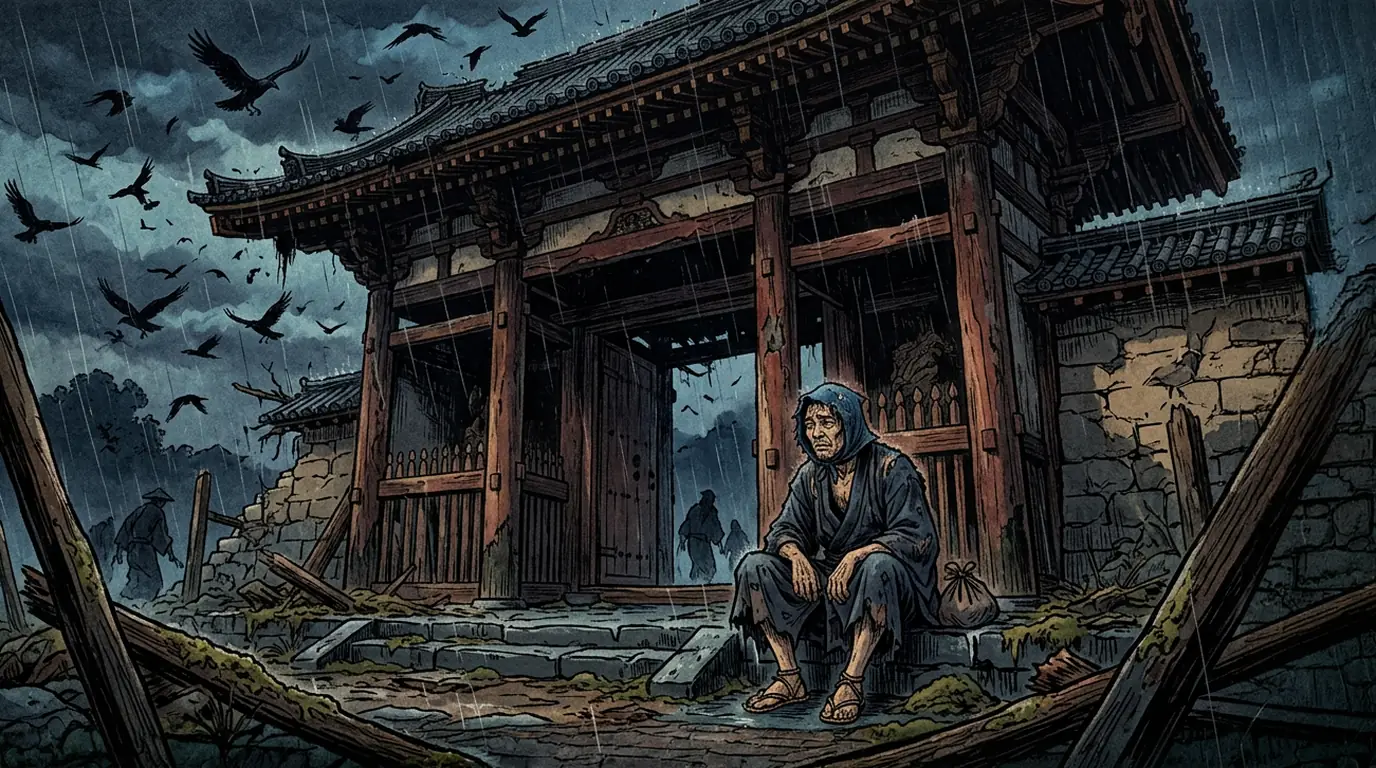
This is Part 2 of our series on Toshishun. In Part 1, Toshishun became rich twice and lost everything twice. Each time, his friends disappeared with his money.
When the old man appears a third time and offers him more gold, Toshishun says no. He does not want money anymore. He wants to become a 仙人(せんにん), a hermit with magic powers, like the old man himself. This part is full of words about trust, coldness, and a very strict rule.
1. 愛想が尽きる(あいそがつきる)— to be completely fed up with
愛想 is friendliness or goodwill toward someone. 尽きる means "to run out." When your goodwill runs out, you are done with that person.
人間というものに愛想がつきたのです。
I've had enough of human beings.
The old man asks if Toshishun is tired of luxury. Toshishun answers: no, it isn't luxury he is tired of. It's people. 人間というもの means "human beings, as a whole" — he is fed up with all of them, not just his old friends.
Today:
- 何度もうそをつかれて、彼には愛想が尽きた。
He lied to me so many times that I'm done with him. - 母は、片付けない父に愛想を尽かしている。
My mother has lost all patience with my father, who never cleans up.
Tip: 愛想が尽きる is what happens to you. 愛想を尽かす is the active form: you give up on someone. Note that 愛想 alone is often read あいそう, as in 愛想がいい(friendly).
2. 薄情(はくじょう)— cold-hearted
薄 means "thin" and 情 means "feeling." Someone with thin feelings does not care about others.
人間は皆薄情です。
People are all cold-hearted.
Toshishun explains what he learned: when he was rich, everyone was kind to him, but when he was poor, nobody even looked at him. That is why he says everyone is 薄情.
Today:
- 困っている友だちを見捨てるなんて、薄情な人だ。
Abandoning a friend in trouble? That's cold. - 連絡しなくてごめん。薄情だと思われたかな。
Sorry I didn't get in touch. Did you think I didn't care?
Tip: It is a strong word, but people also use it lightly among friends: 薄情だなあ! "How heartless of you!"
3. 口を利く(くちをきく)— to say a word; to speak
口を利く means "to speak," but it is usually used in the negative: not saying a single word.
もし一言でも口を利いたら、お前は到底仙人にはなれないものだと覚悟をしろ。
If you say even a single word, you will never become a hermit. Be ready for that.
The old man is Tekkanshi(鉄冠子), a hermit from Mount Emei. He leaves Toshishun alone on the mountain and gives him one rule: no matter what happens, stay silent. This rule is the heart of the whole story.
Today:
- 兄とけんかして、三日も口を利いていない。
I had a fight with my brother, and we haven't spoken for three days. - 彼女は緊張して、一言も口を利かなかった。
She was so nervous that she didn't say a word.
Tip: 口を利かない often means refusing to talk to someone because you are angry. It is very common in stories about family fights.
4. 覚悟する(かくごする)— to be prepared for; to accept
覚悟 is the state of being ready for something hard or painful. It is not just "planning." It is mental readiness.
覚悟をしろ。
Be prepared for it.
In the sentence above, the old man tells Toshishun to accept the result if he breaks the rule. 覚悟をしろ is a strong command, the kind a teacher gives a student before a serious test.
Today:
- 厳しい練習になるから、覚悟しておいてね。
Practice is going to be tough, so be ready. - 失敗も覚悟の上で、挑戦してみた。
I tried, fully prepared for the possibility of failing.
Tip: 覚悟の上 means "knowing the risks." Also listen for 覚悟はできている — "I'm ready (for whatever happens)."
Read it in the story
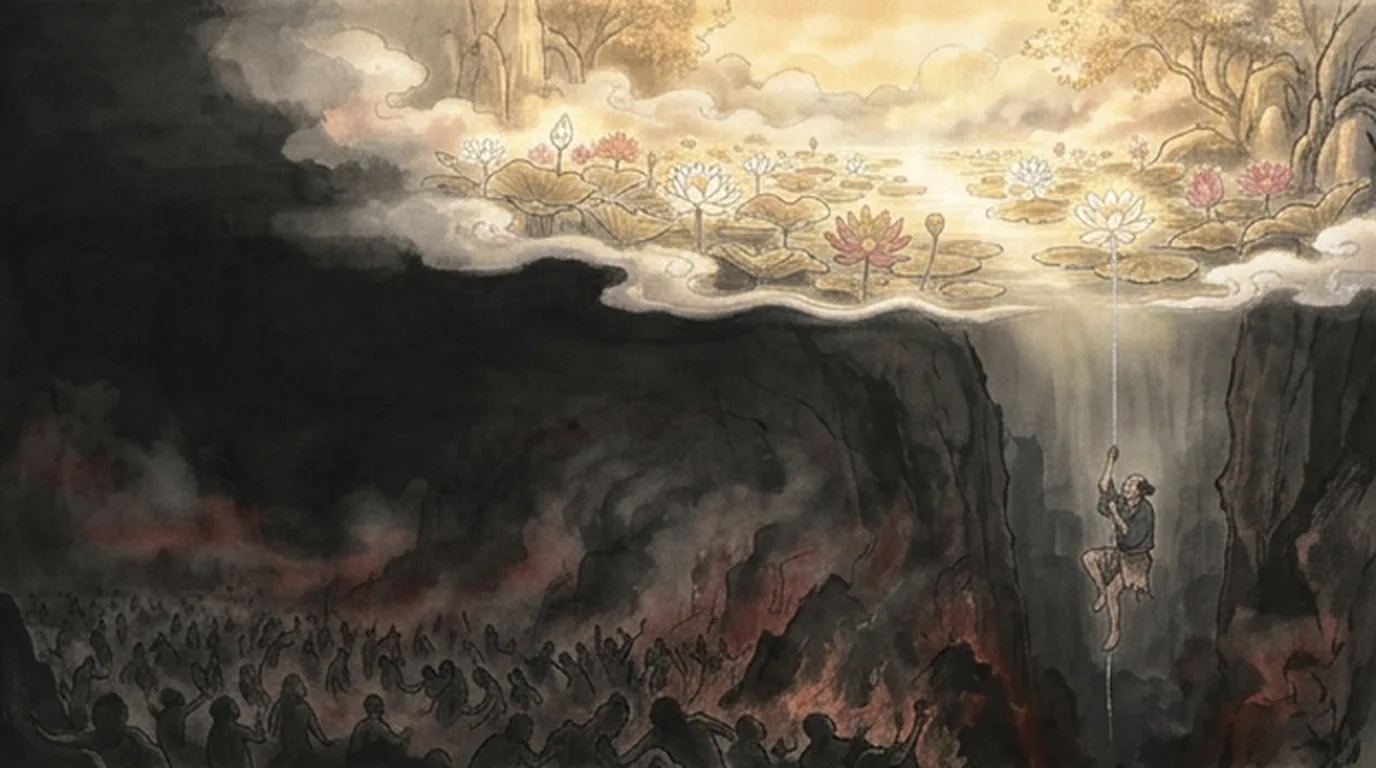
In Part 3, Toshishun faces tigers, snakes, demons and the King of Hell — and then something much harder.