
Blog · Toshishun
Toshishun (1): 4 Expressions for Rich and Poor
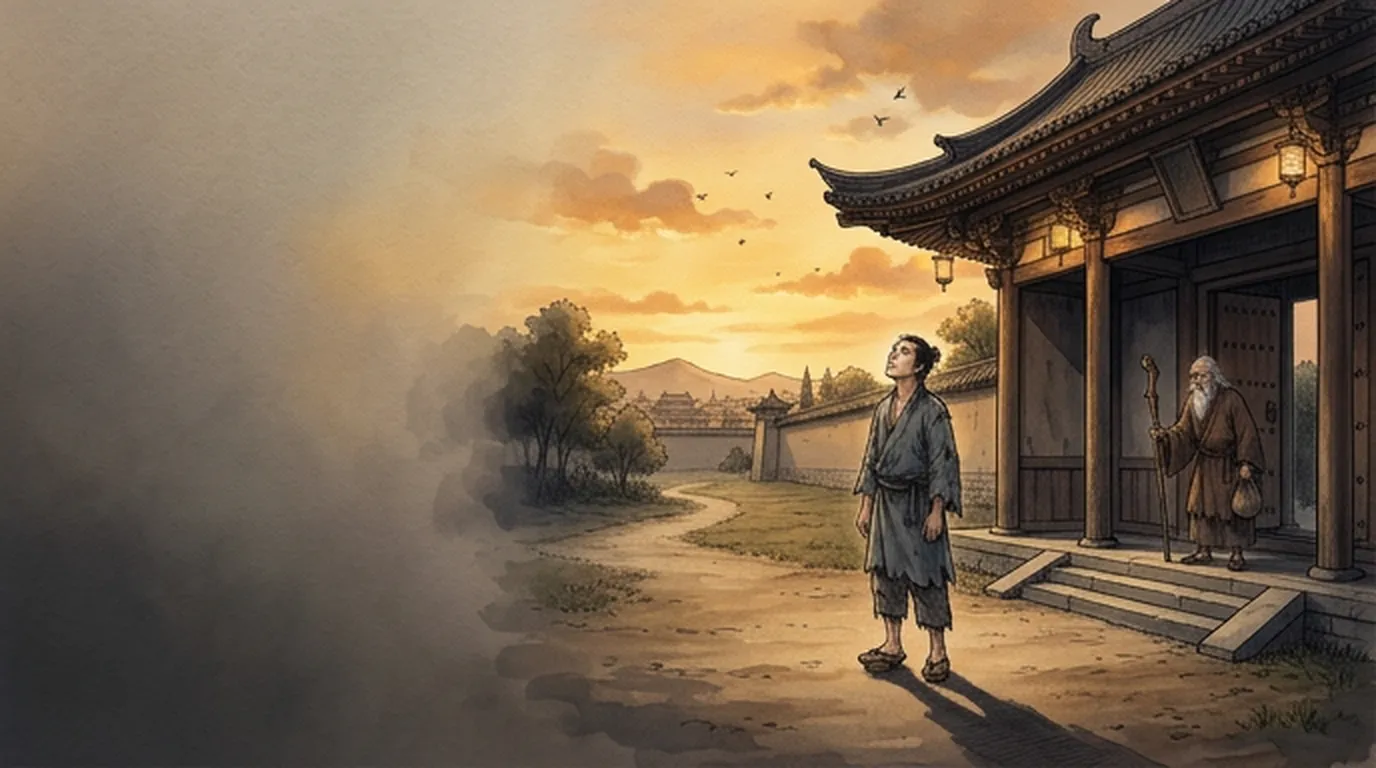
Toshishun (杜子春, 1920) is one of Akutagawa Ryūnosuke's stories for young readers, written for the same children's magazine as The Spider's Thread. It is set in Luoyang, the great capital of Tang Dynasty China. A rich man's son has spent everything, and one spring evening he stands at the city gate with nowhere to go. A strange old man appears and helps him — not once, but twice.
This week we will read the story in three parts. Part 1 covers the opening: money, friends, and how quickly both disappear.
1. 〜にも困る(〜にもこまる)— can't even manage to...
困る means "to be in trouble" or "to have a hard time." Add にも ("even") and it means you are struggling with something very basic.
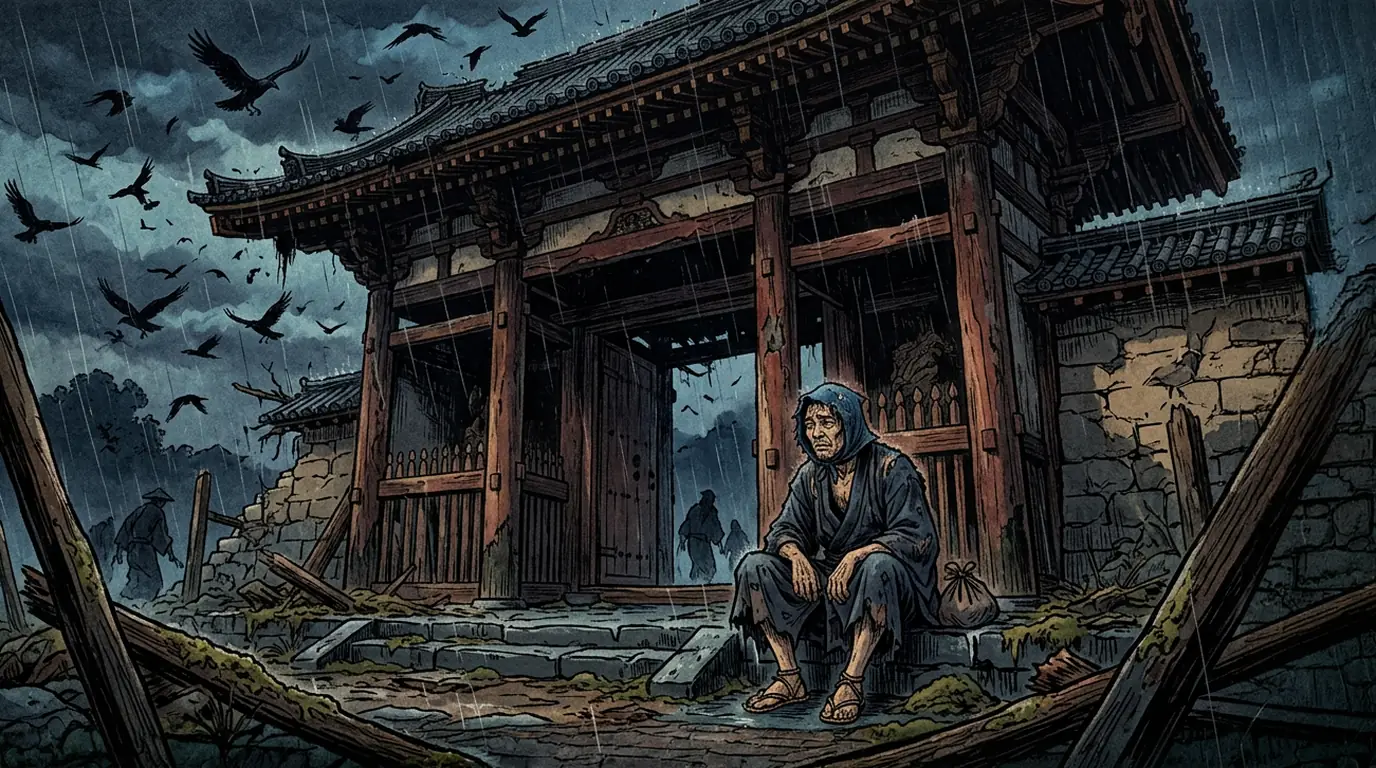
その日の暮しにも困る位、憐な身分になっているのです。
He had become so poor that he could not even get by from one day to the next.
その日の暮らし is "today's living" — food and a roof for one day. Not being able to manage even that is real poverty. The story writes 暮し; today it is usually 暮らし.
Today:
- 学生のころは、食べるものにも困るほどお金がなかった。
When I was a student, I was so broke I could hardly even buy food. - 引っ越したばかりで、話す相手にも困っている。
I just moved here, and I don't even have anyone to talk to.
Tip: A common pattern is 〜にも困るほど ("so much that one can't even..."). It shows how serious the situation is.
2. 大金持ち(おおがねもち)— very rich person
金持ち is "a rich person" (literally "money-holder"). 大 makes it "a very rich person," someone with a huge fortune.
杜子春は一日の内に、洛陽の都でも唯一人という大金持になりました。
In a single day, Toshishun became the richest man in all of Luoyang.
The old man tells him to dig in the ground where his shadow's head falls. Toshishun finds a cartload of gold. 唯一人という means "the one and only."
Today:
- 彼は宝くじが当たって、大金持ちになった。
He won the lottery and became extremely rich. - 大金持ちになったら、何がしたい?
What would you do if you became super rich?
Tip: The opposite is 貧乏(びんぼう)"poor." 貧乏人 is a poor person, but it sounds rude, so use it carefully.
3. 贅沢(ぜいたく)— luxury; extravagant
贅沢 is living with much more than you need. 贅沢な暮らし is "a life of luxury."
玄宗皇帝にも負けない位、贅沢な暮しをし始めました。
He began to live in luxury, as grandly as the Emperor Xuanzong himself.
Xuanzong was a famous Tang emperor known for his rich court. Akutagawa then lists what Toshishun buys: fine wine, peacocks, jewels, beautiful clothes.
Today:
- たまには贅沢して、高いレストランに行こう。
Let's treat ourselves once in a while and go to an expensive restaurant. - 贅沢は言わないから、静かな部屋に住みたい。
I'm not asking for anything fancy. I just want a quiet room.
Tip: 贅沢を言う means "to ask for too much." 贅沢は言わない is a humble way to say "I'll be happy with something simple."
4. 挨拶一つしない(あいさつひとつしない)— not even say hello
一つ after a noun, with a negative verb, means "not even one." 挨拶一つしない: "doesn't even say a single hello."
今日は門の前を通ってさえ、挨拶一つして行きません。
Now they would walk right past his gate without so much as a word of greeting.
After three years of parties, Toshishun's money runs out. The friends who came every day now walk past his house as if they do not know him. さえ ("even") makes the coldness sharper: even when they pass right by his gate.
Today:
- 彼は文句一つ言わずに働いた。
He worked without a single complaint. - 部屋にはゴミ一つ落ちていなかった。
There wasn't a single piece of trash on the floor.
Tip: You can use this with many nouns: 返事一つない(not even one reply), 雲一つない空(a sky without a single cloud).
Read it in the story
In Part 2, Toshishun decides he has had enough of people, and the old man reveals who he really is.