
Blog · Gon, the Little Fox
Gon, the Little Fox (1): 4 Expressions
Gon, the Little Fox(ごん狐, 1932)is probably the most-read story in Japan. Almost every Japanese child studies it at school. Niimi Nankichi wrote it when he was only 18, and it was published in Akai Tori, the same children's magazine that printed The Spider's Thread and Toshishun.
The story is about Gon, a lonely little fox who loves to play tricks, and a young man named Hyōjū. It is short and written in soft, spoken Japanese. This week we read it in three parts. Part 1: who Gon is, and the trick he comes to regret.
1. 一人ぼっち(ひとりぼっち)— all alone
一人ぼっち means "alone, with no family or friends." It is sadder than just 一人 ("one person").
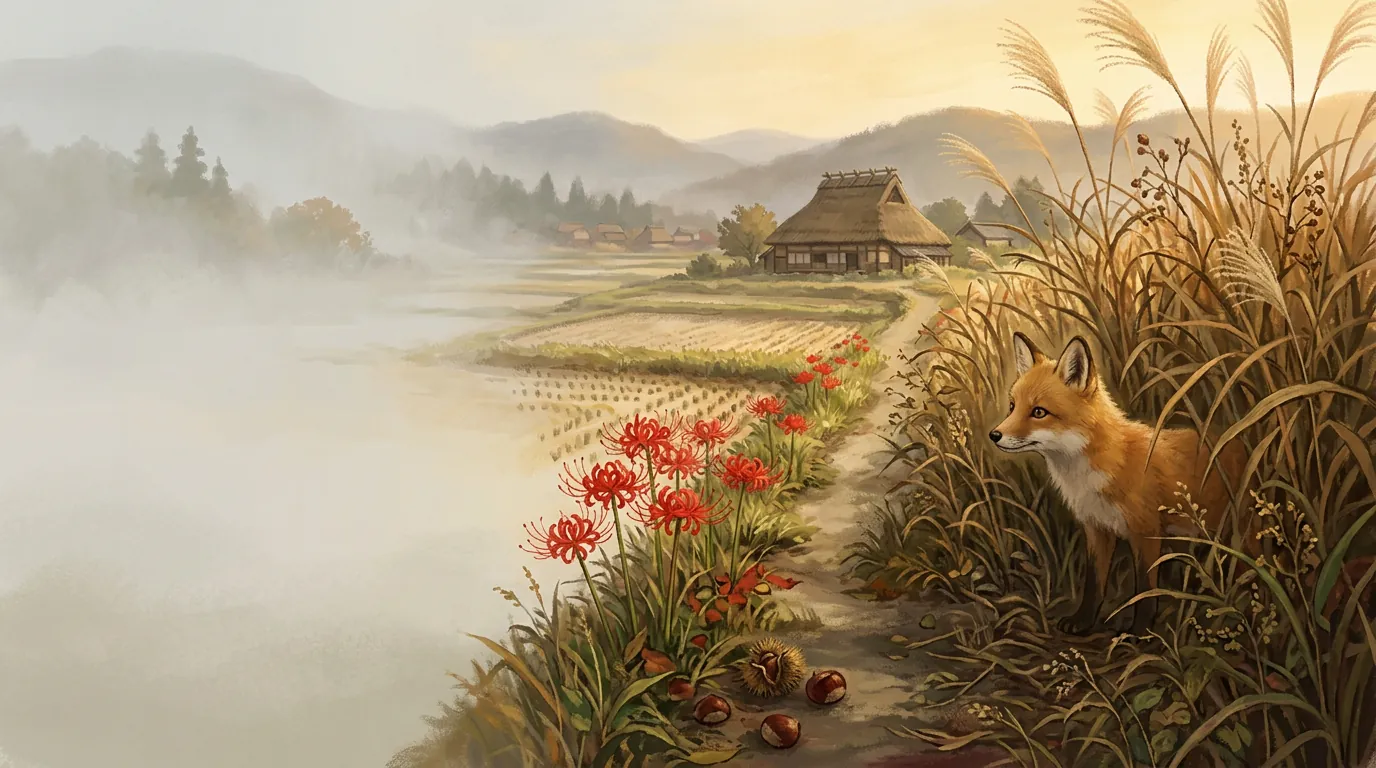
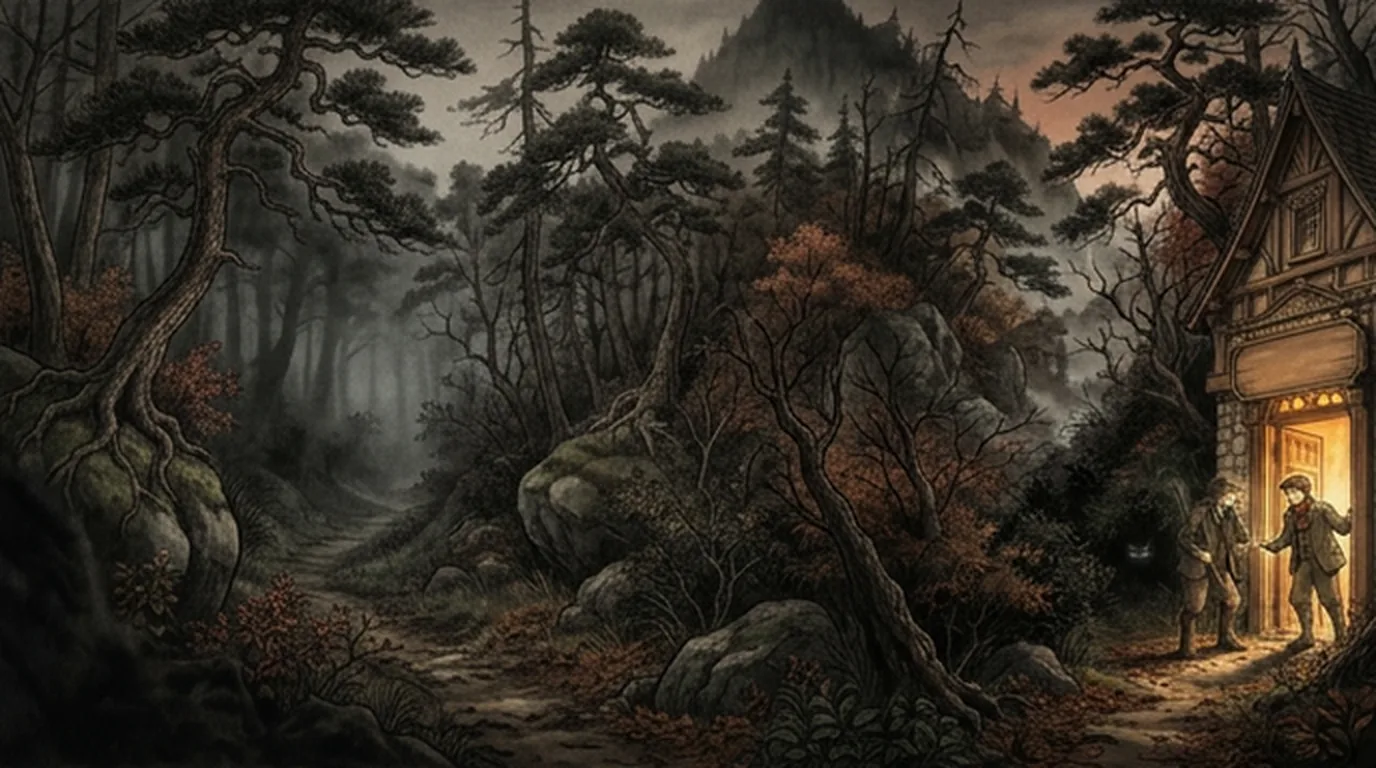
ごんは、一人ぼっちの小狐で、しだの一ぱいしげった森の中に穴をほって住んでいました。
Gon was a little fox, all on his own. He lived in a hole he had dug in a forest thick with ferns.
This first description matters. Remember this word — it comes back later in the story, and it changes everything.
Today:
- 引っ越したばかりのころは、一人ぼっちで寂しかった。
When I had just moved, I was all alone and lonely. - 子どもを一人ぼっちにしないでください。
Please don't leave the child all by themselves.
Tip: Note that Gon is a fox, but the story counts him with 一人. It treats Gon as a person with real feelings.
2. 〜ばかり — nothing but ...
Verb-て form or noun+ばかり means "only, all the time."
夜でも昼でも、あたりの村へ出てきて、いたずらばかりしました。
Night or day, he came out into the villages nearby and did nothing but play tricks.
The story lists his tricks: digging up potatoes, setting dry grass on fire, pulling off hanging peppers. A lonely fox who wants attention.
Today:
- 弟はゲームばかりしている。
My little brother does nothing but play video games. - 最近、雨ばかりですね。
It's been nothing but rain lately.
Tip: 〜てばかりいる is the same idea with a verb: 寝てばかりいる — "always sleeping." It often sounds like a complaint.
3. ちょいと — a little; just for a bit
ちょいと is an older, casual form of ちょっと. You will hear it in old stories and from older people.
ちょいと、いたずらがしたくなったのです。
He suddenly felt like playing a little trick.
Gon sees Hyōjū catching fish in the river. When Hyōjū walks away, Gon throws the fish back into the water. Then he steals Hyōjū's eel, and runs away with it wrapped around his neck.
Today:
- ちょいと待ってくれ。
Hold on a sec. (old-fashioned, casual) - ちょっとコンビニに行ってくる。
I'm just popping out to the convenience store. (modern)
Tip: In daily conversation, use ちょっと. ちょいと sounds like a grandfather in a samurai drama.
4. 〜なけりゃよかった — I wish I hadn't ...
This is a spoken form of 〜なければよかった, "it would have been good not to ..." — in other words, regret.
ちょッ、あんないたずらをしなけりゃよかった。
Tch. I wish I hadn't played that trick.
Ten days later, Gon sees a funeral in the village. It is Hyōjū's mother. Gon imagines that she was sick and wanted to eat eel before she died, and that he took it from her. For the first time, a trick makes him feel bad.
Today:
- あんなこと、言わなければよかった。
I wish I hadn't said that. - 昨日、夜ふかししなけりゃよかった。
I shouldn't have stayed up so late last night. (casual)
Tip: 〜ばよかった (without ない) is the opposite: 行けばよかった — "I should have gone."
Read it in the story
In Part 2, Gon tries to make up for what he did — and learns something about Hyōjū.